HEST
Camp Chair
Product Design
Design Strategy
Concept Prototyping
Material Development
Design Documentation
Manufacturing Transfer
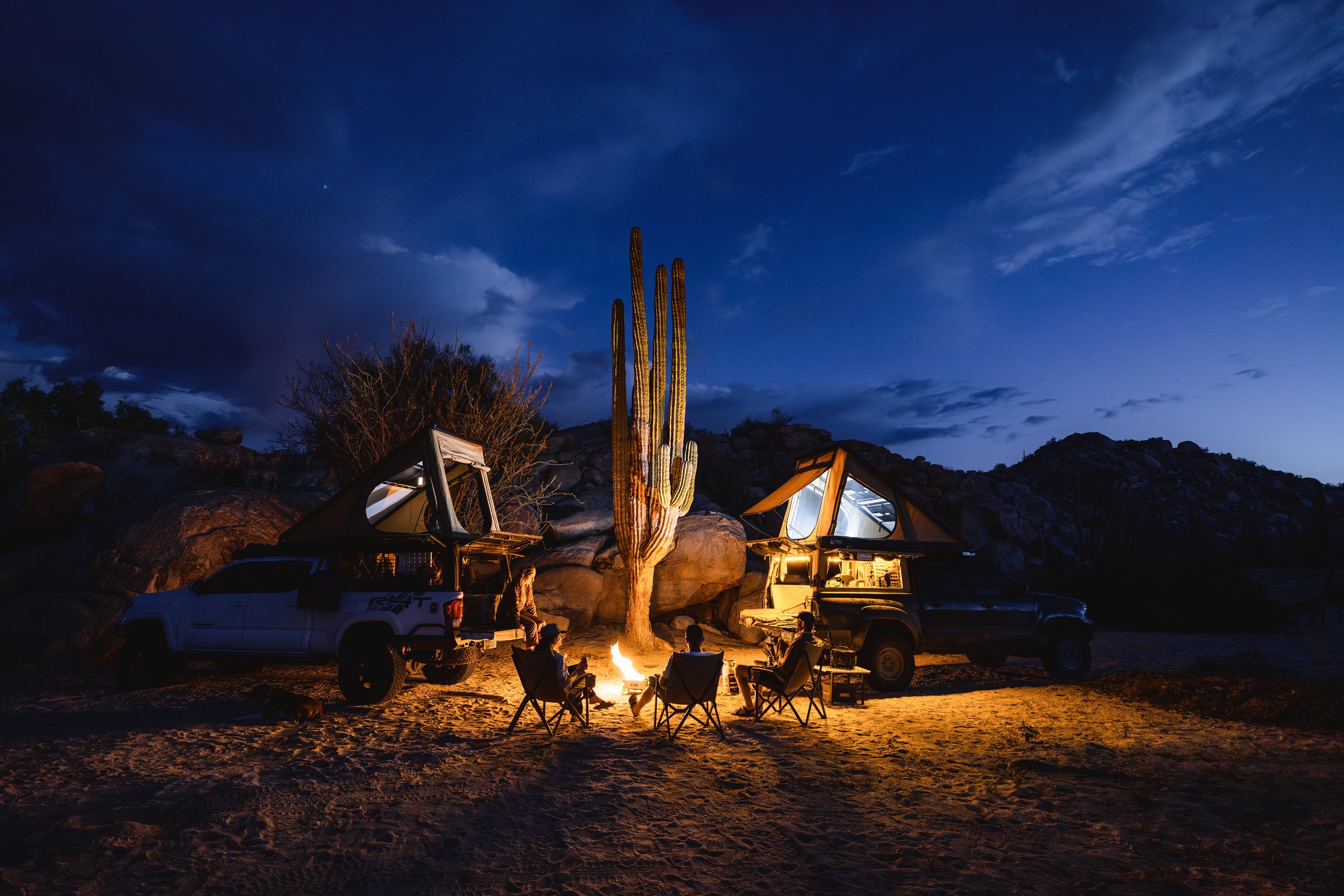
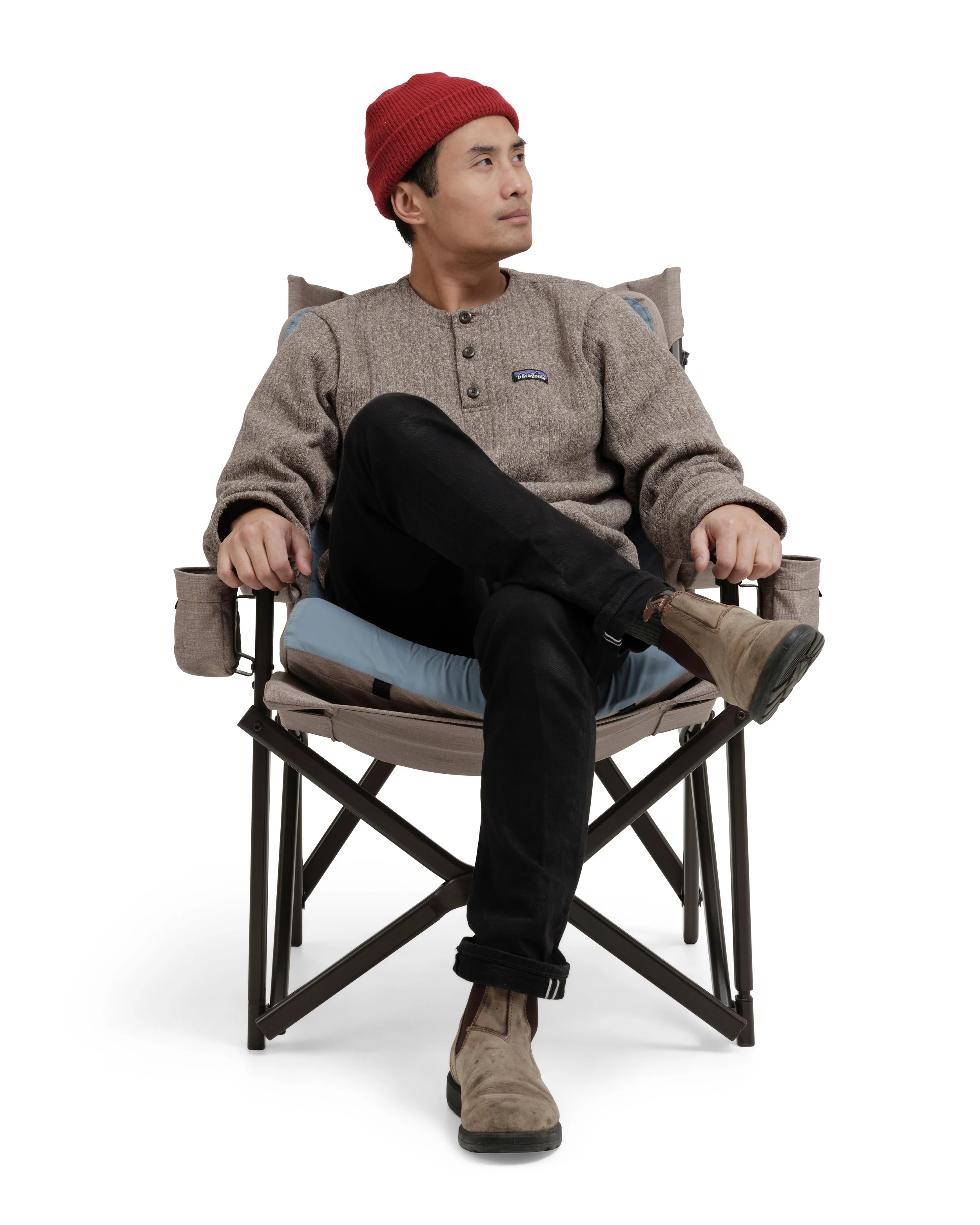
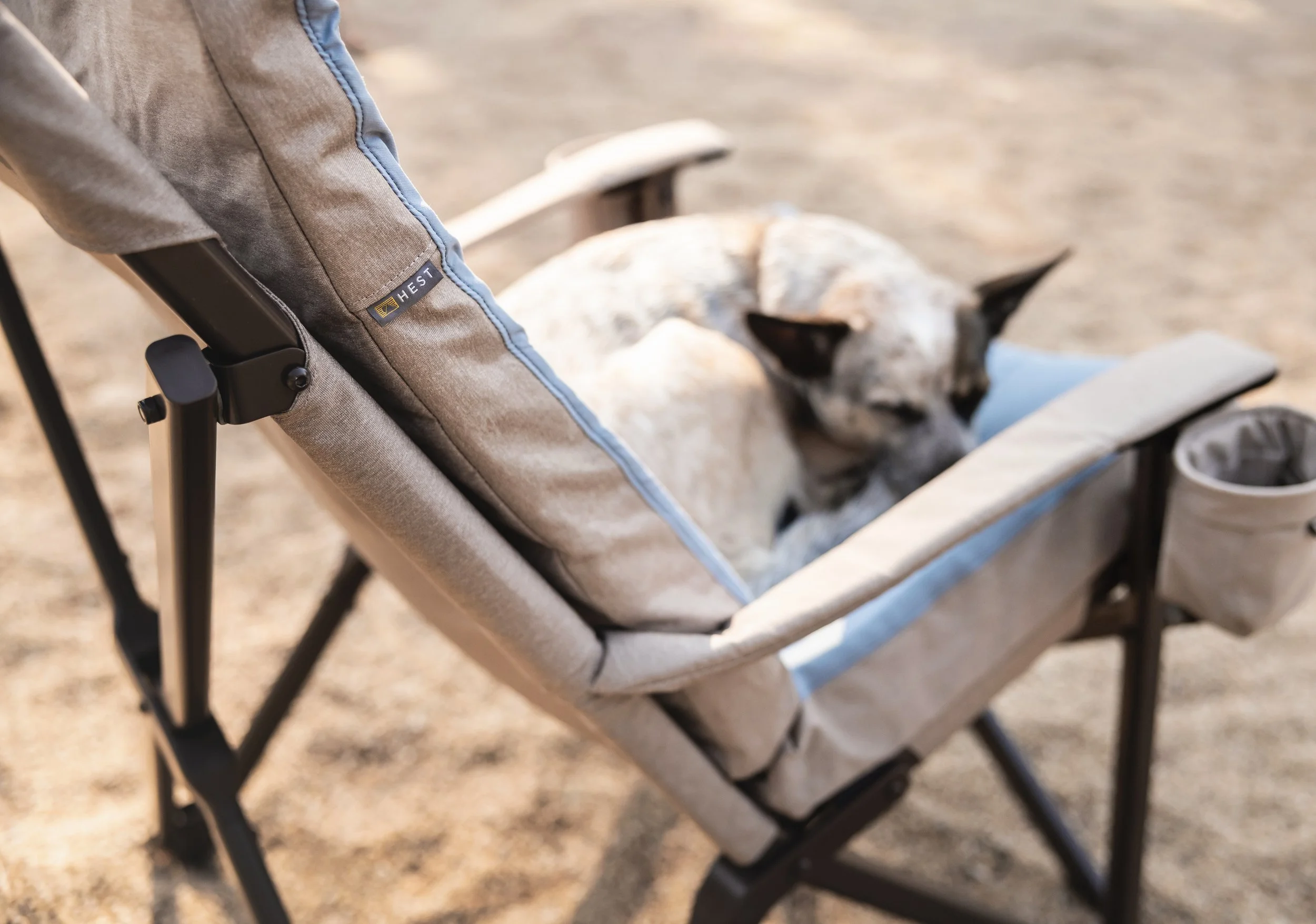
What began as a mission to improve sleep and recovery in the outdoors, HEST has evolved that idea with the launch of the camp chair. With the belief that time outdoors should feel as restorative as it is inspiring, we helped develop the design to make camp fire chats and weekends on the road as comfortable as possible. With Adirondack-inspired geometry and an enhanced memory foam cushion, the chair blurs the lines between home comfort and adventure-ready design.
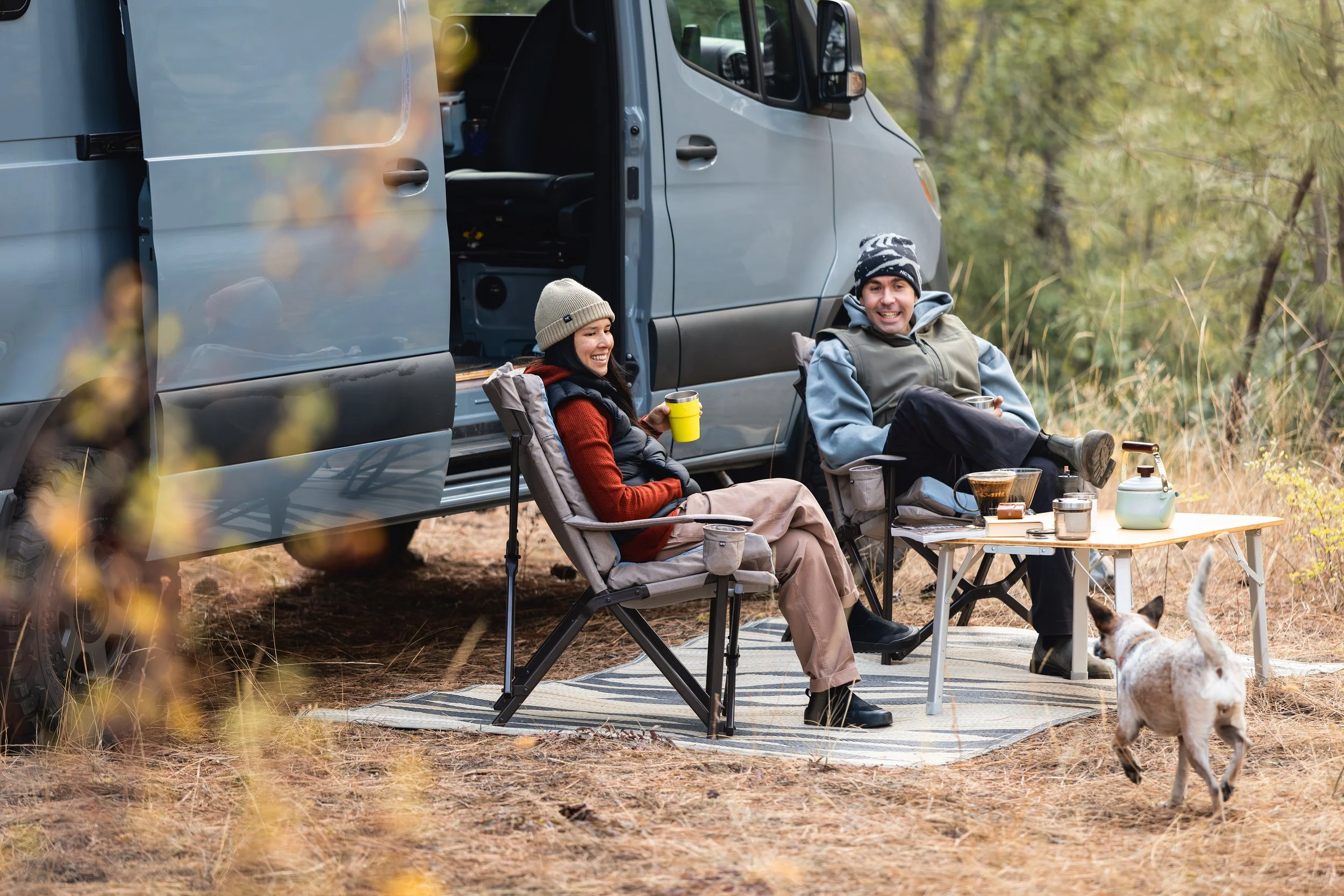
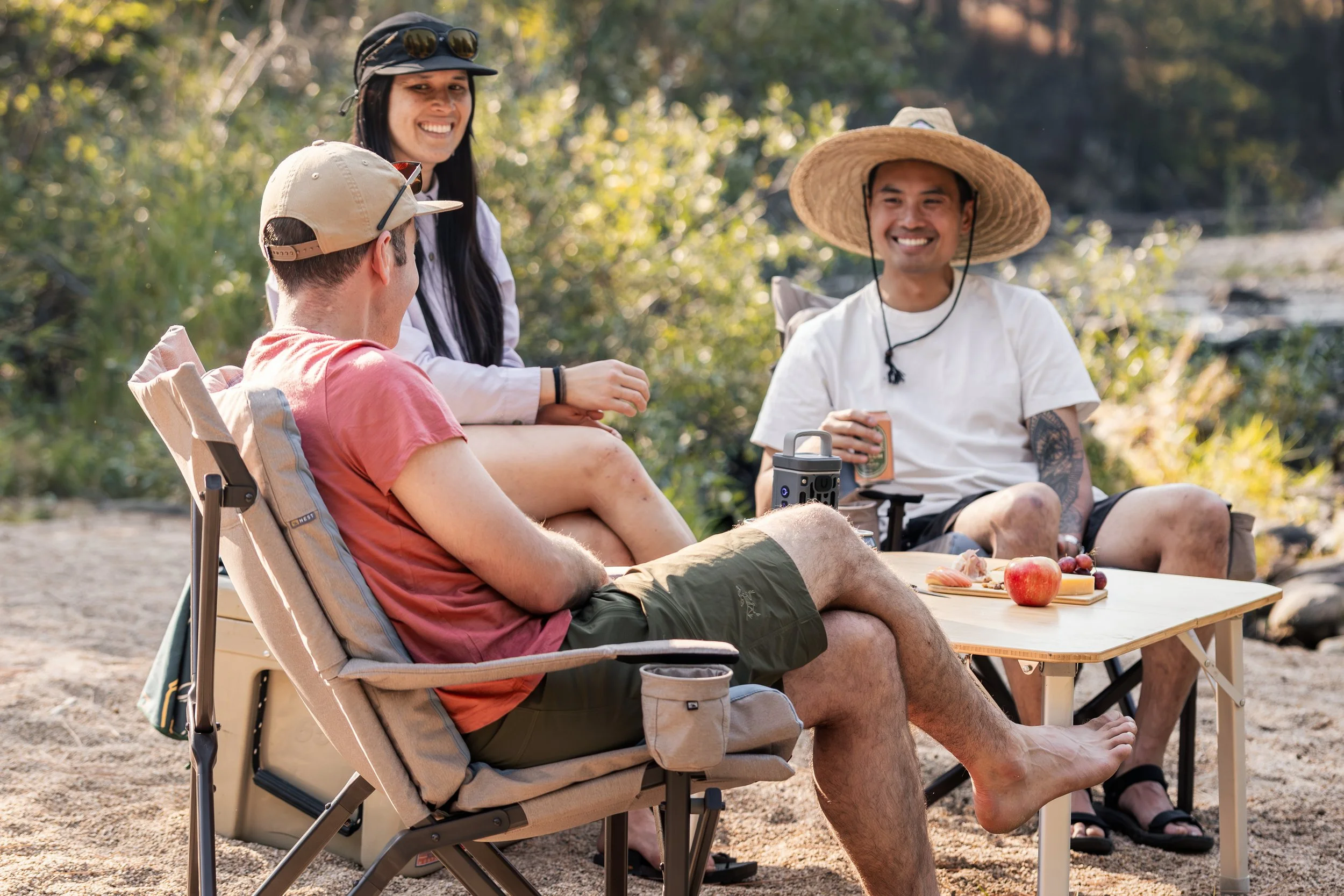
Adventure-ready design built with the comforts of home.
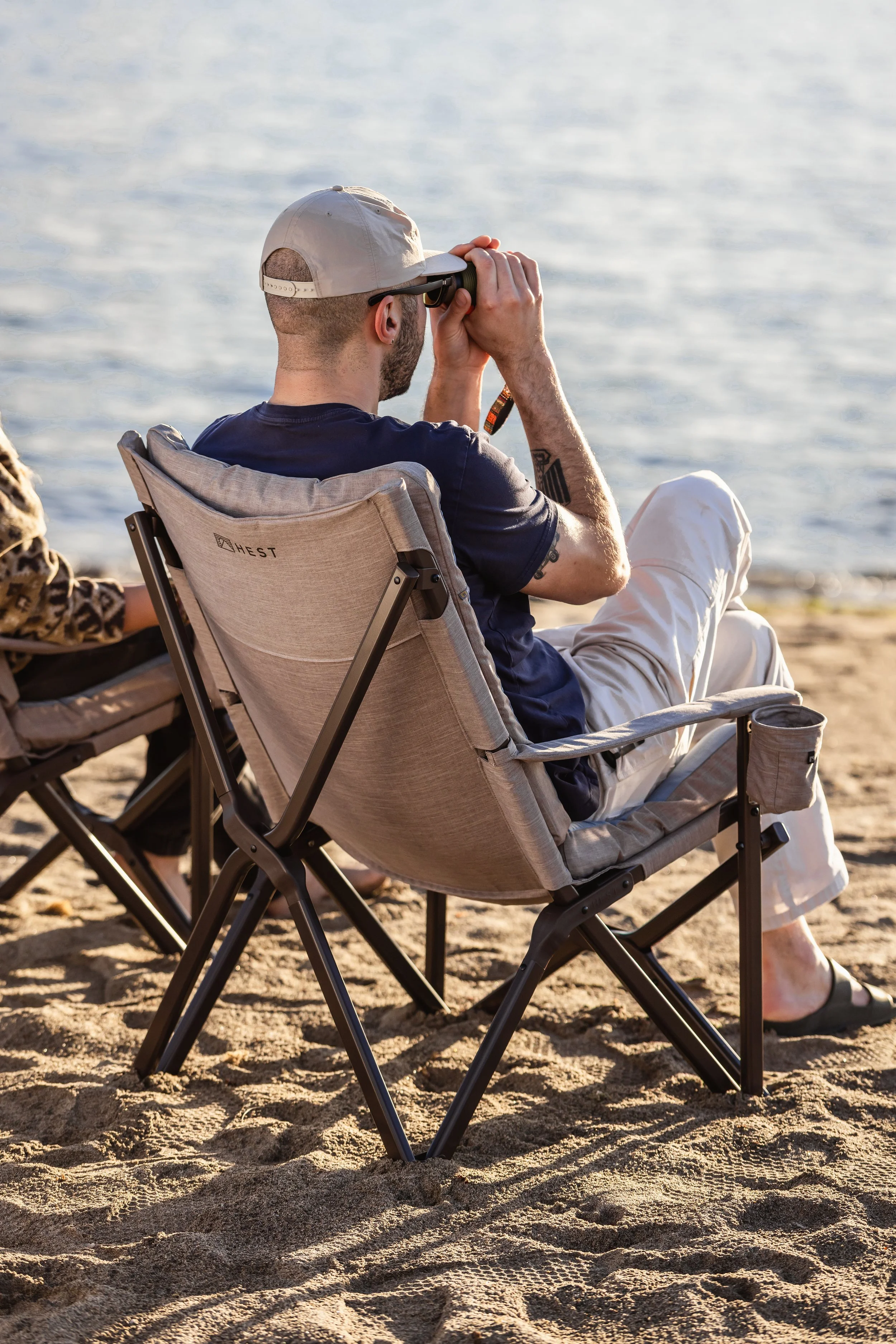
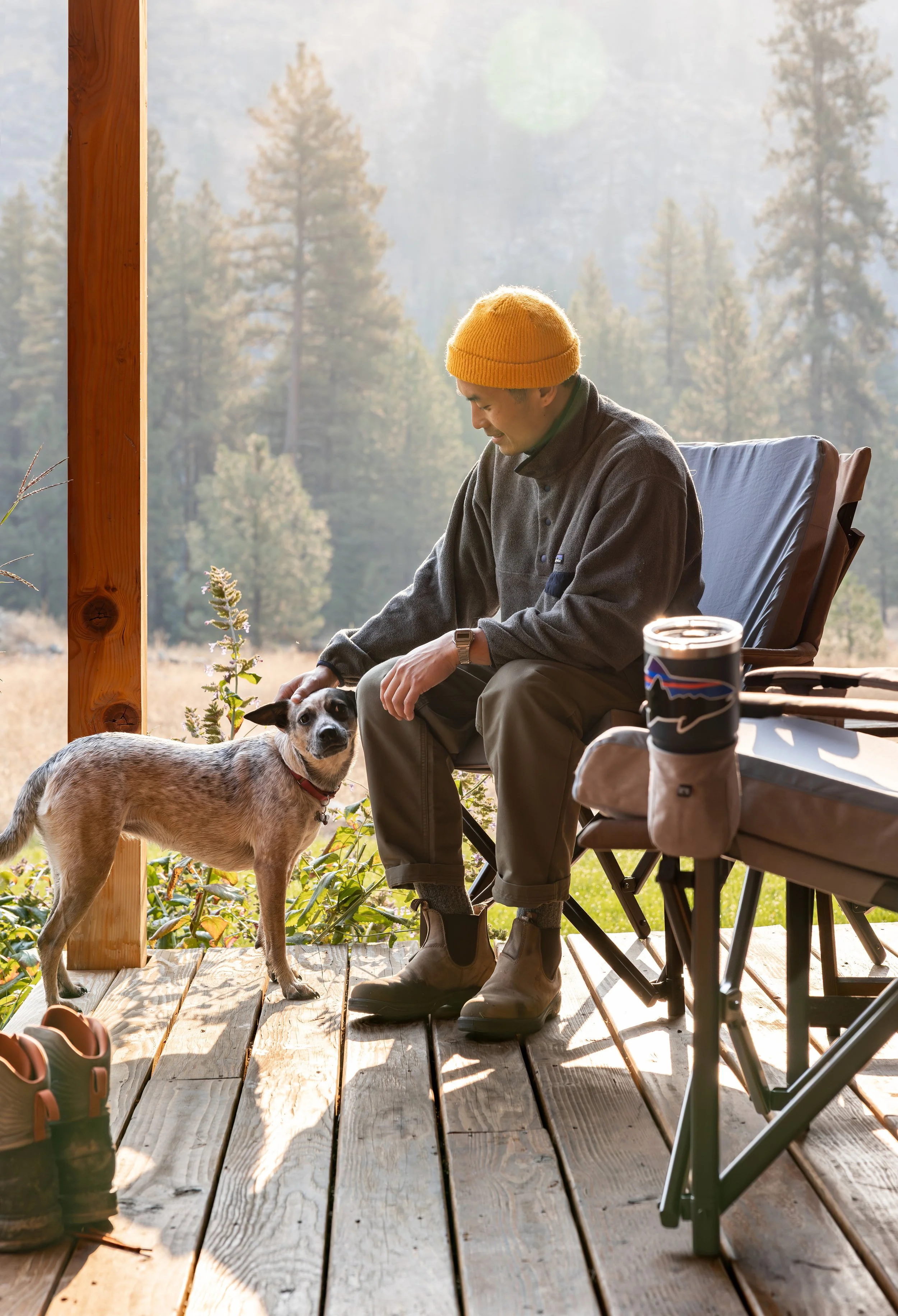
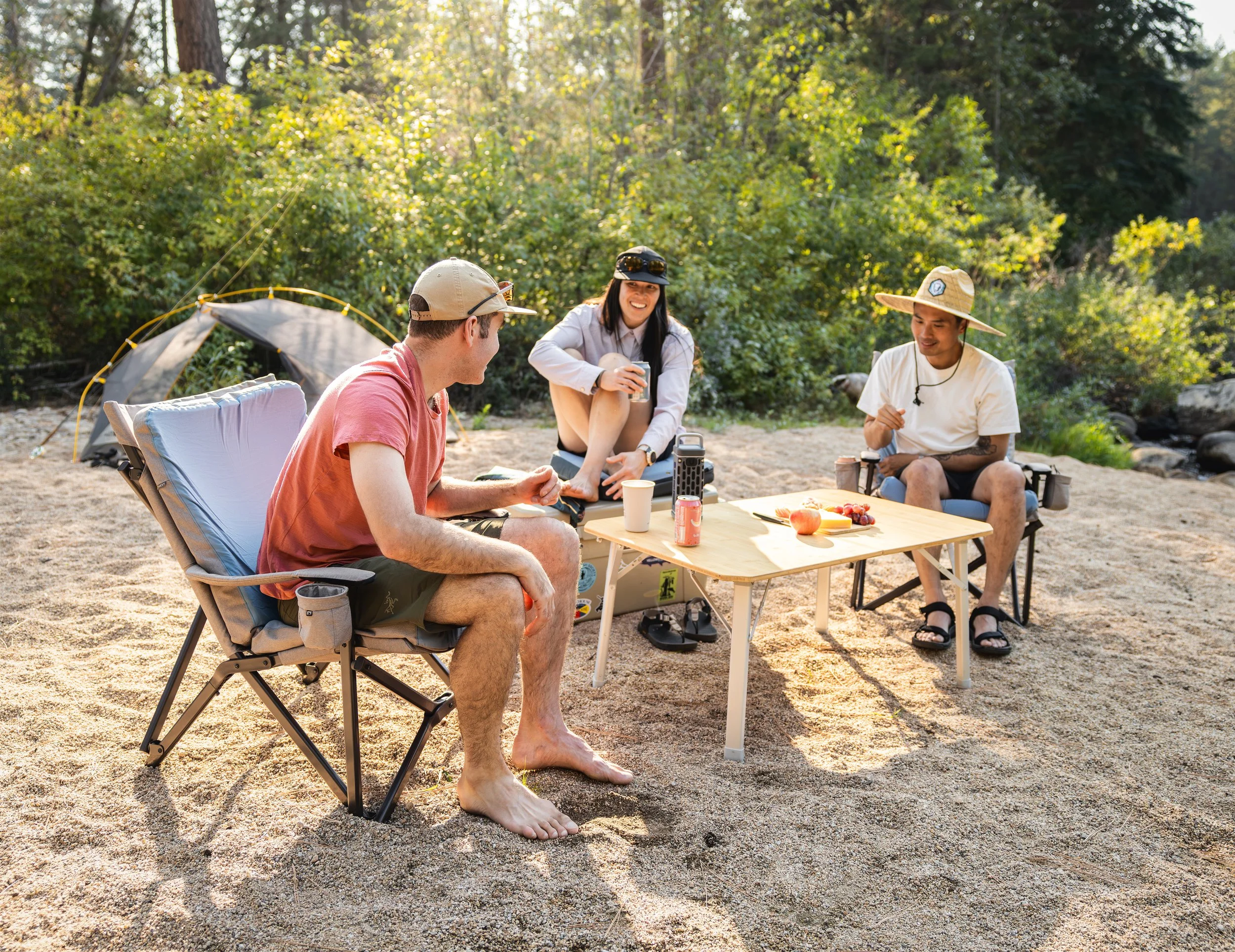
Comfort was a guiding principle behind every design decision. Drawing inspiration from the relaxed posture of an Adirondack chair, the design creates a more lounge-like seating position compared to the upright geometry most common in portable camp furniture. Leveraging the same supportive foam structure found across the HEST product lineup, the chair creates a seating experience that feels more like lounging around in your family room than hanging around your camp site. It encourages lingering conversations, longer meals, and slower evenings outdoors.
"HEST figured out how to bring home-level comfort to the campfire."Tanya HEST Customer
Developing the architecture.
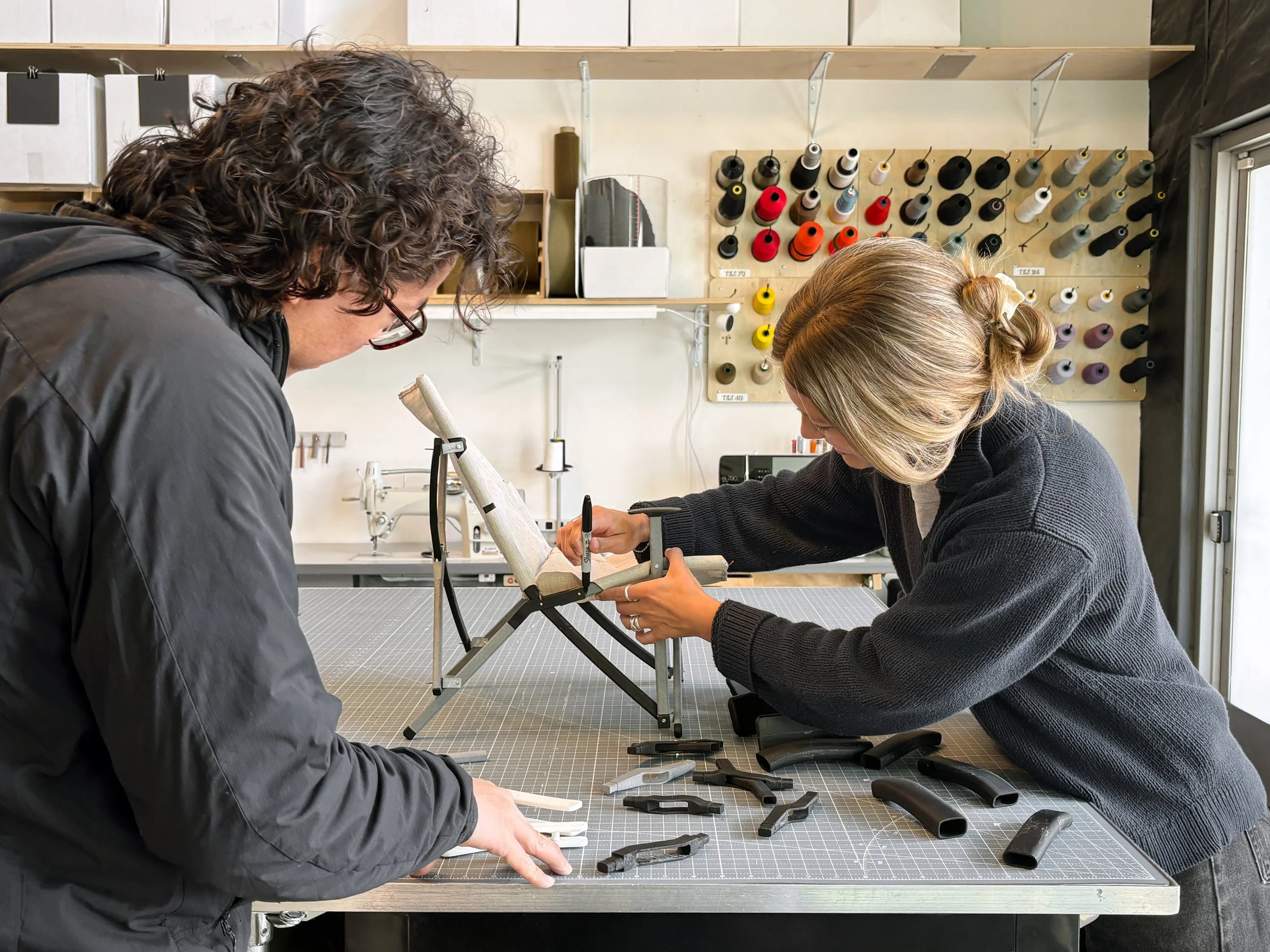
The challenge was very straightforward to describe yet surprisingly difficult to solve. Most camp chairs prioritize portability at the expense of comfort. Traditional lounge furniture does the opposite. The added comfort brings added bulk. We needed to bridge that gap. Creating comfort while maintaining portability required balancing soft goods details with structure and mechanical design elements. The frame needed to be robust without becoming cumbersome. The seating system needed to feel substantial without sacrificing packability. All of these details needed to come together in a solution that felt warm and familiar.
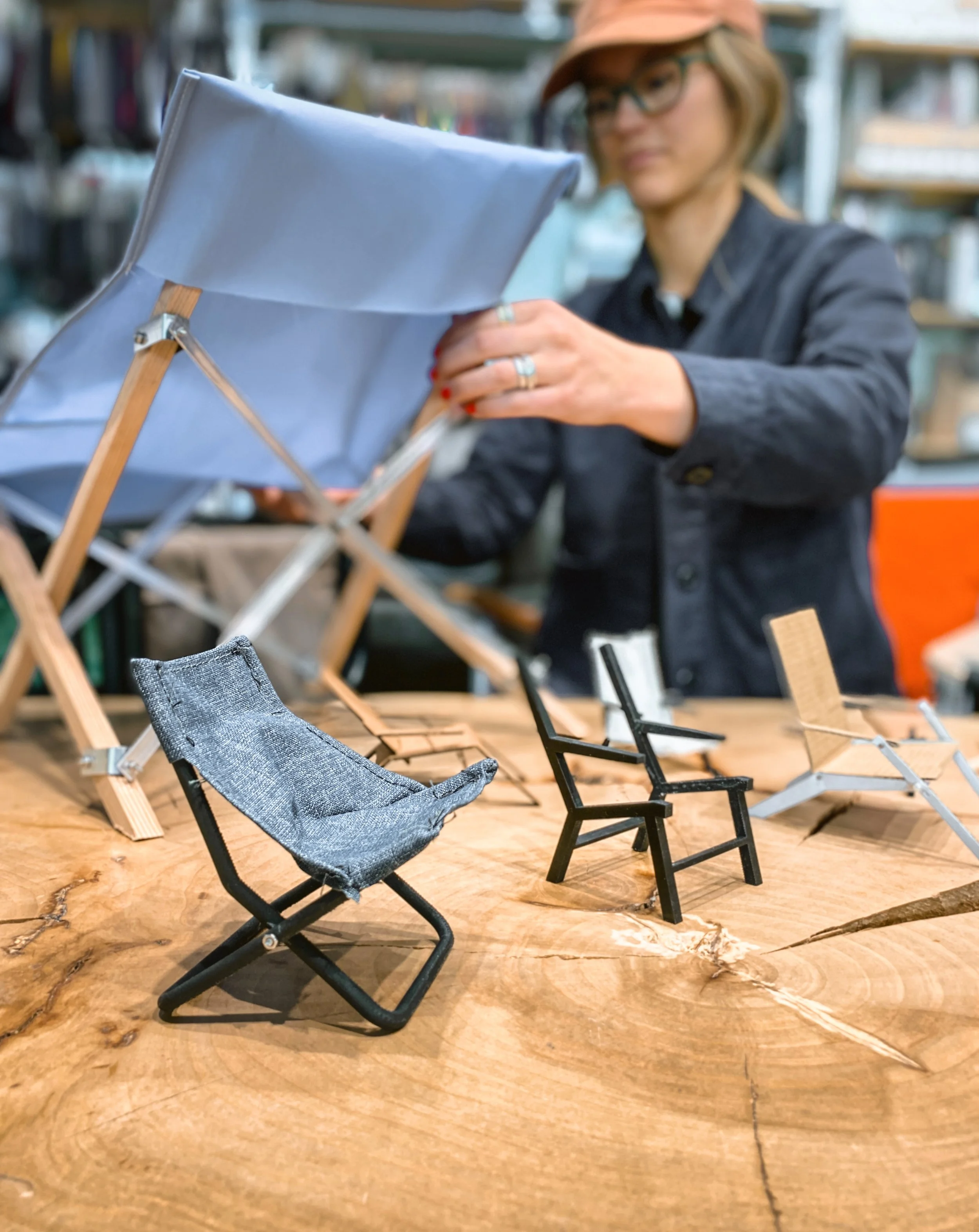
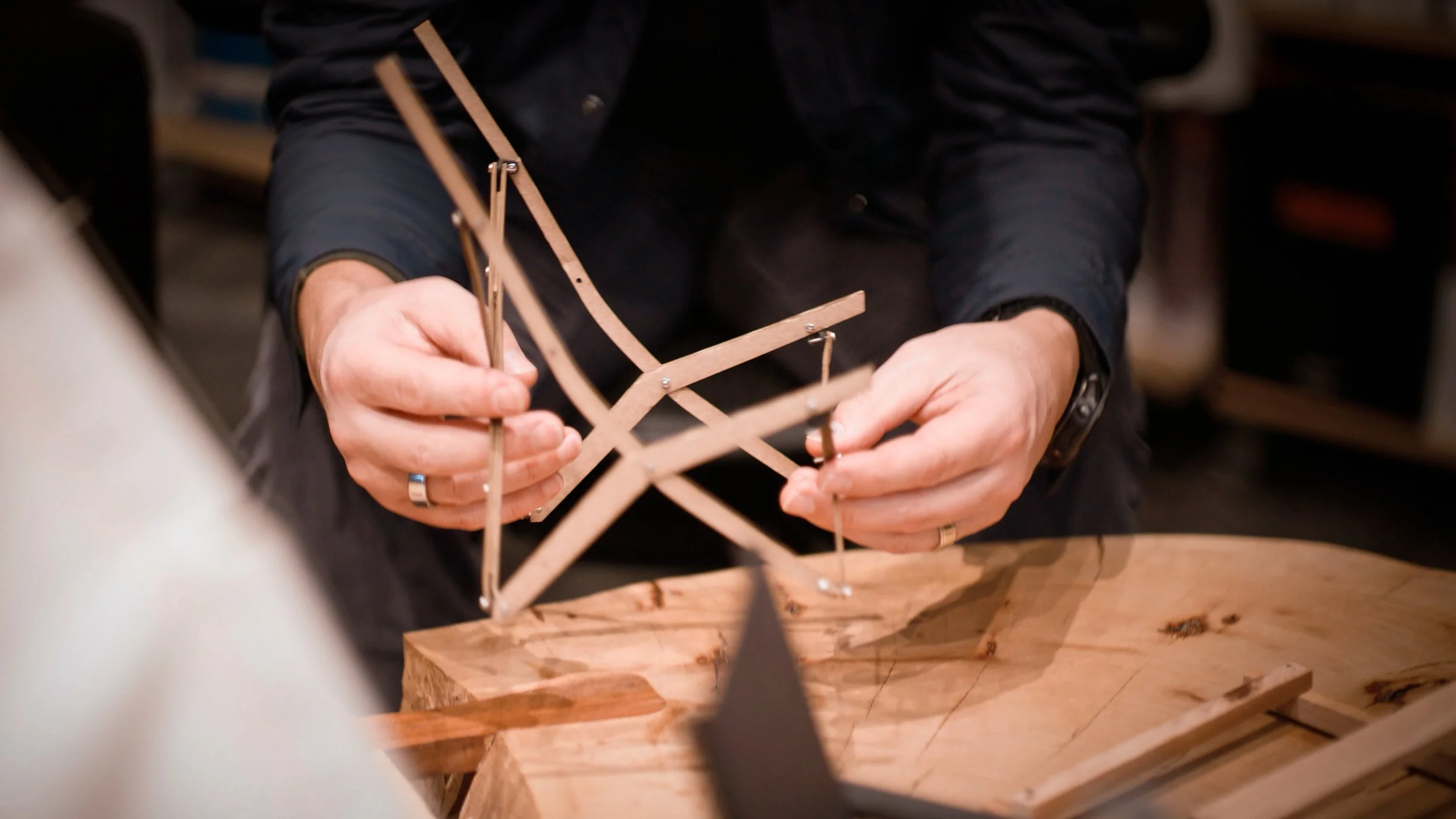
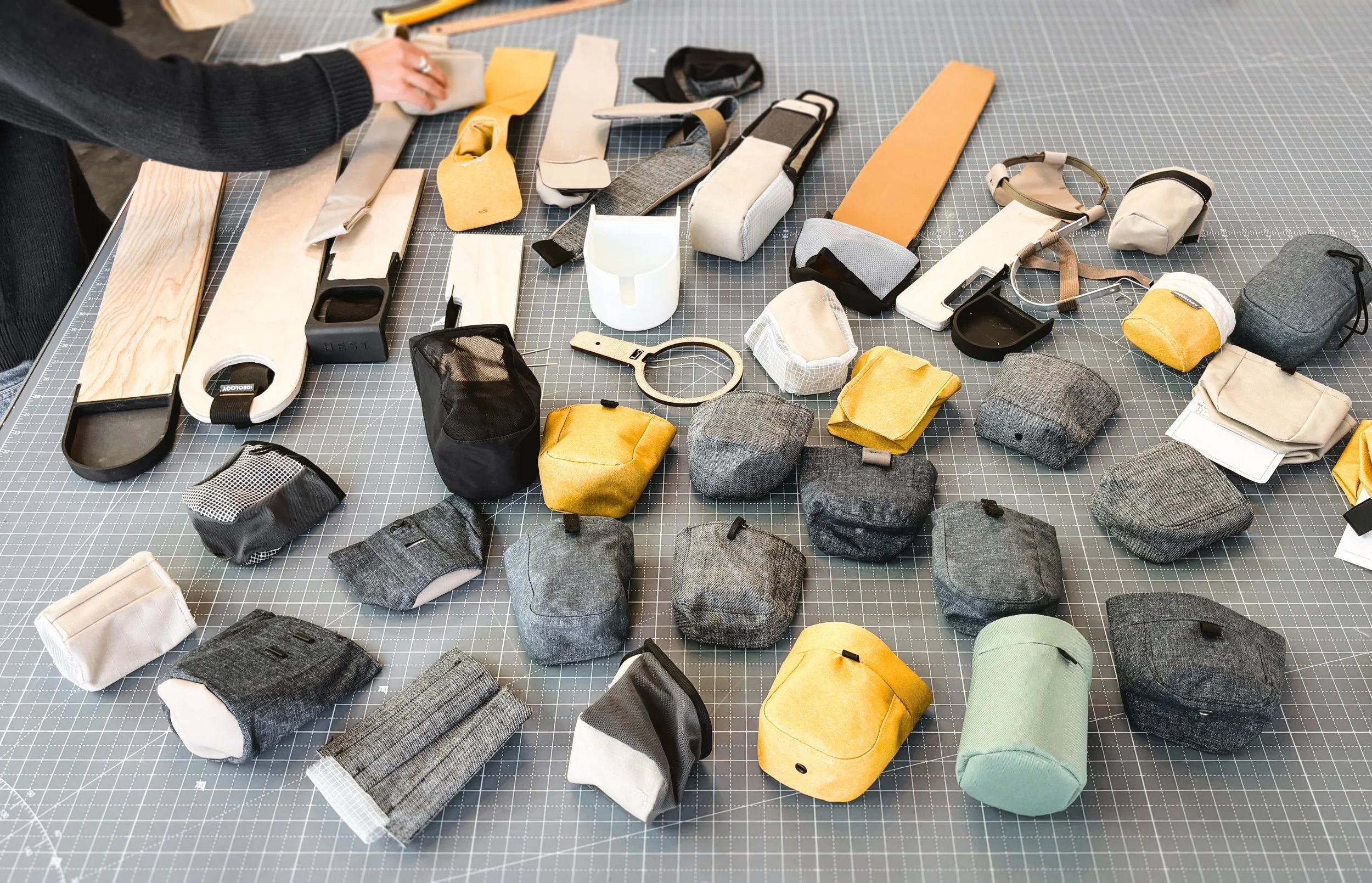
No detail was too small to consider.Sweating the small stuff.
Beyond comfort and performance, the project emphasized thoughtful material selection and detail refinement. Every element was developed from the ground up. We worked closely with the HEST team to identify materials that balanced durability and weight with manufacturability and environmental considerations. Whether it was nuancing the cup holder shape or dialing in the packability, the final design details ensured the chair could withstand years of use while minimizing unnecessary complexity.
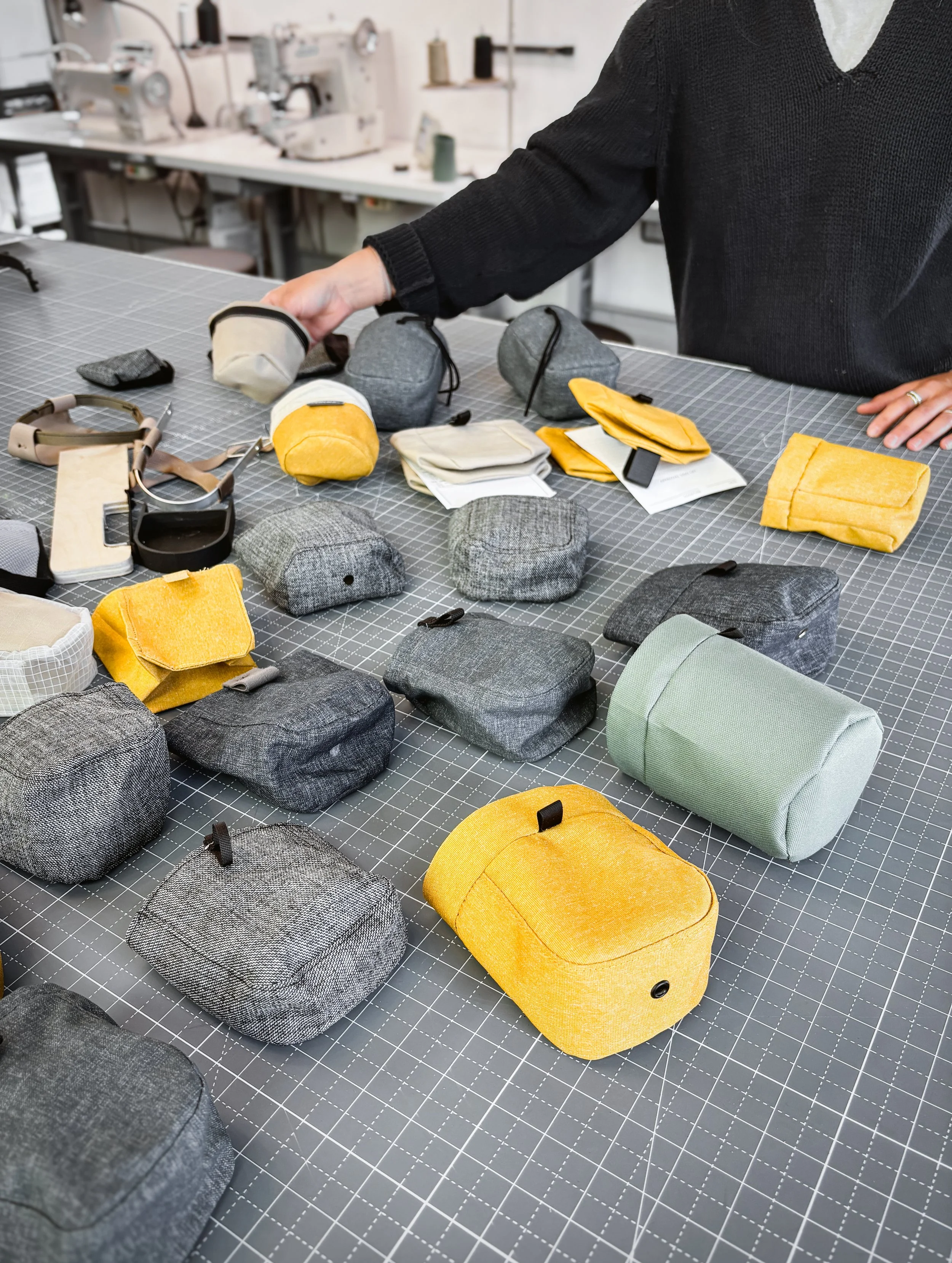
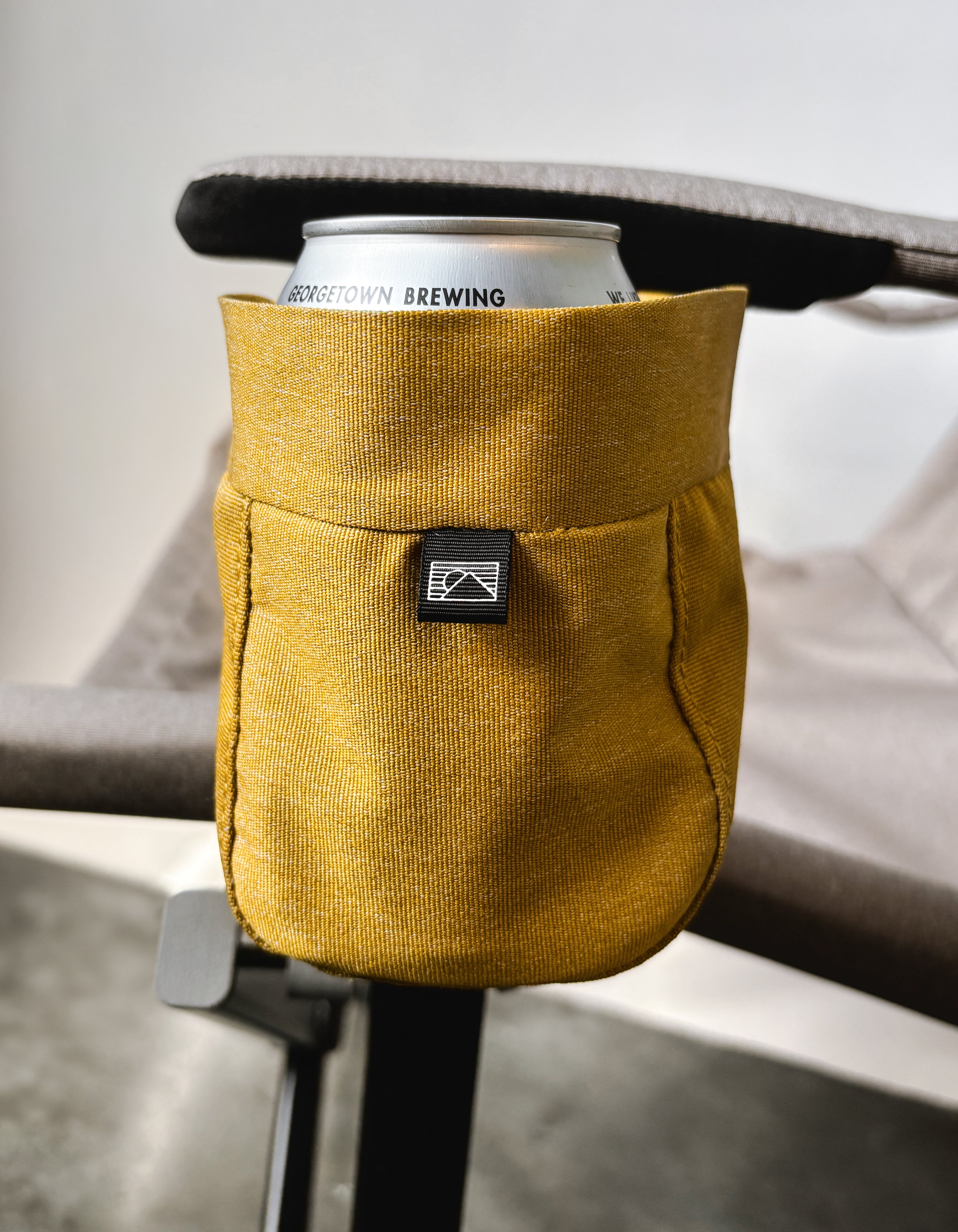
"We put a lot of energy into making sure the materials were resource responsible and would work well together."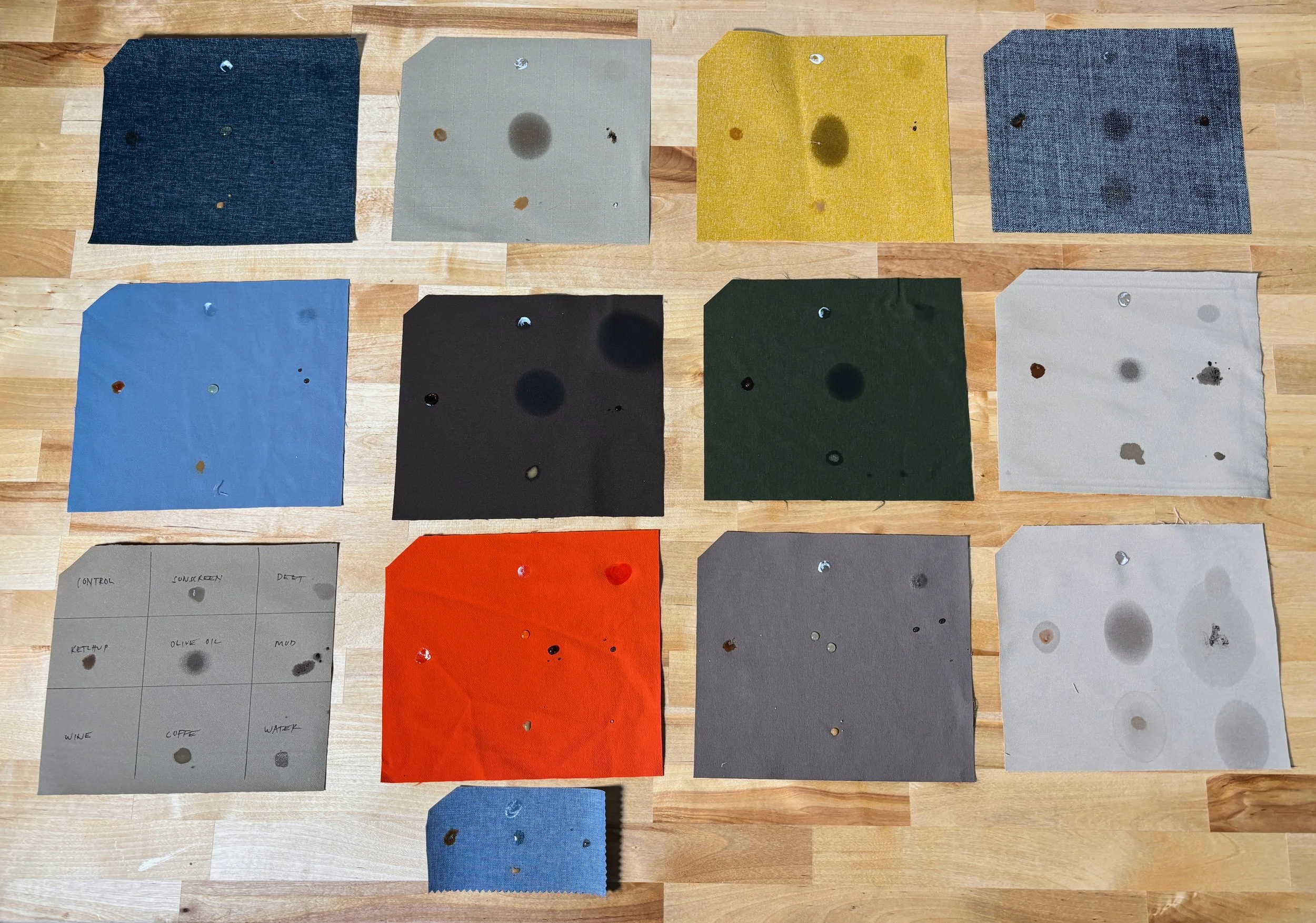
Validating the details.
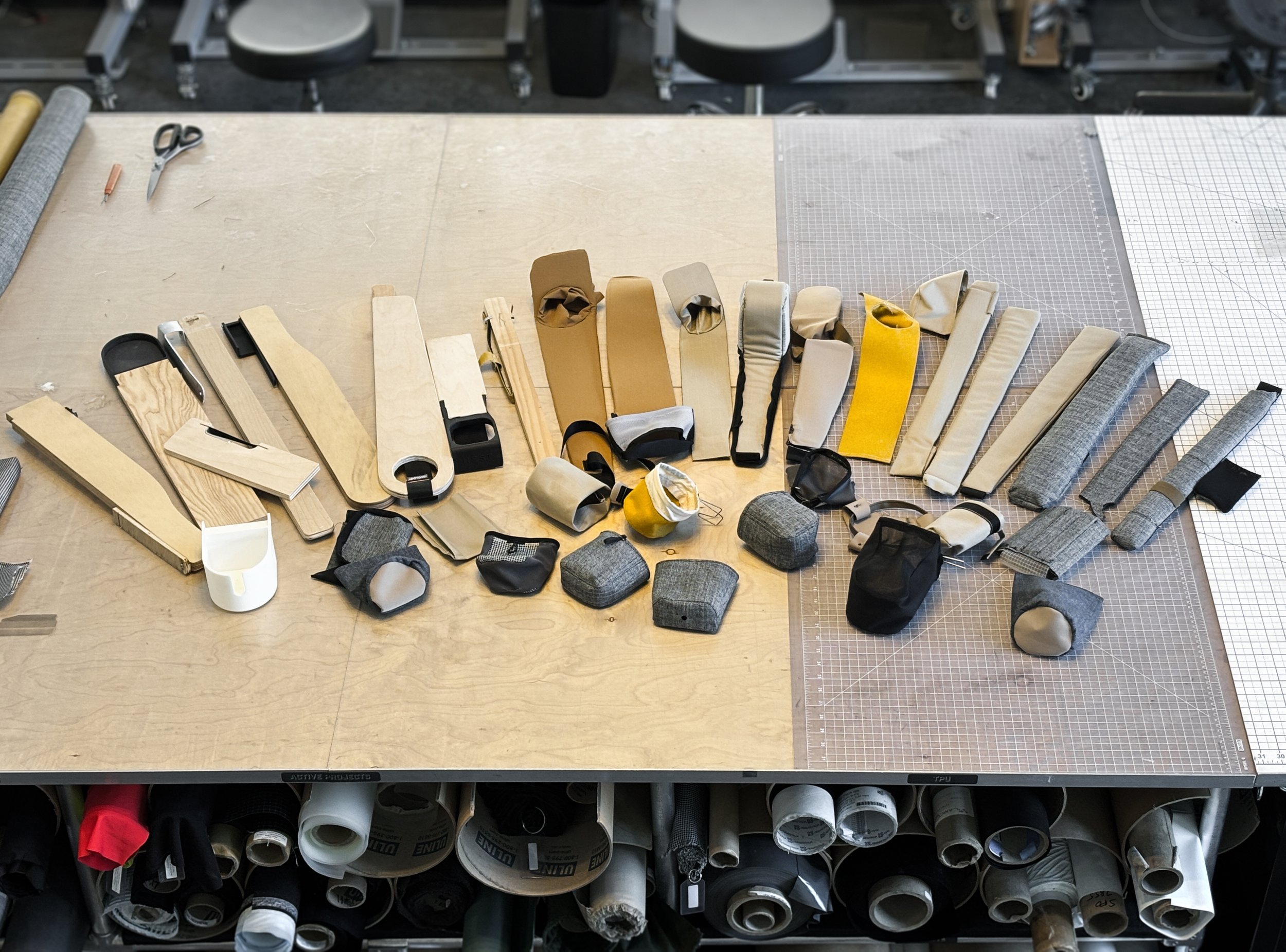
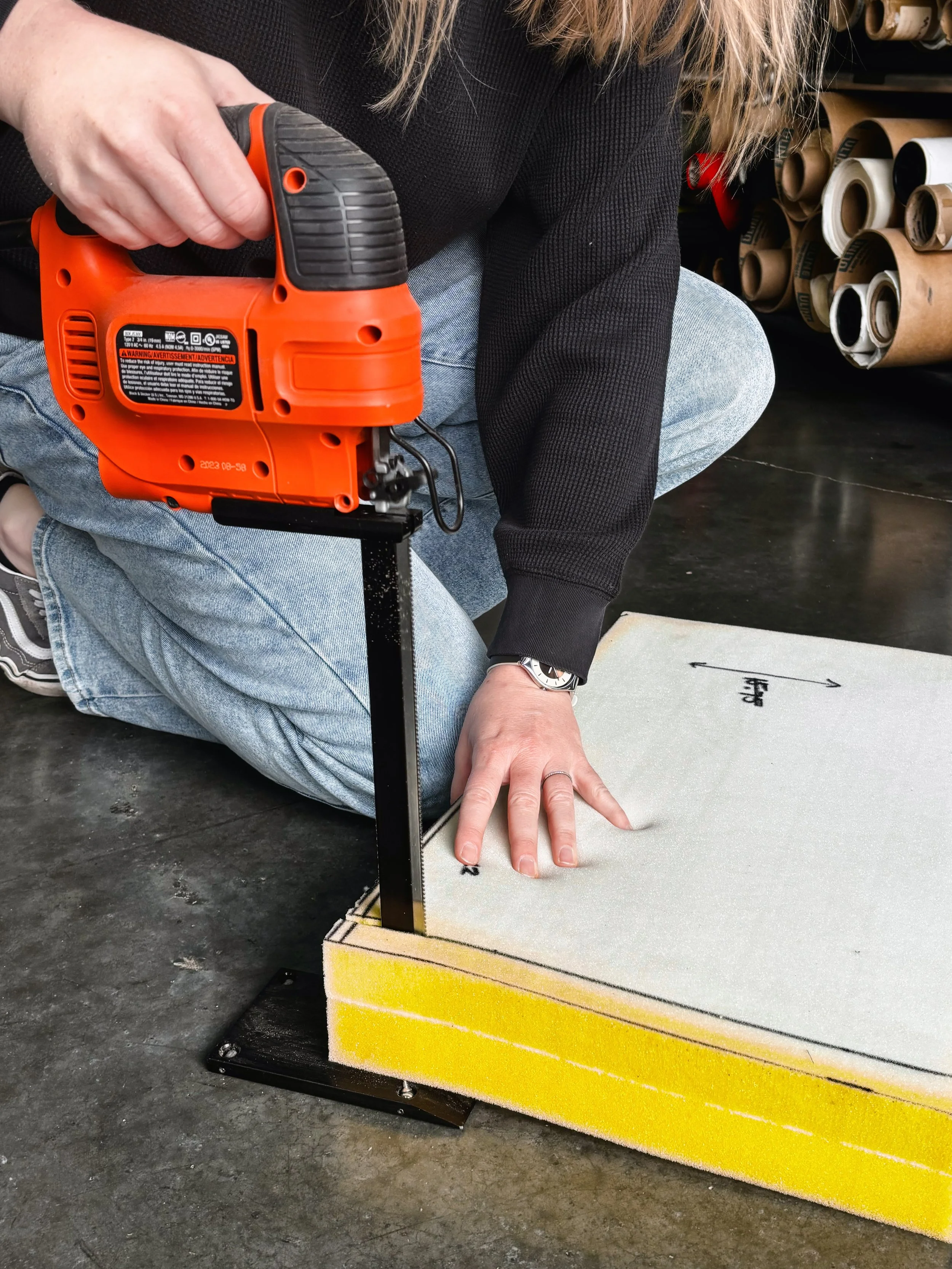
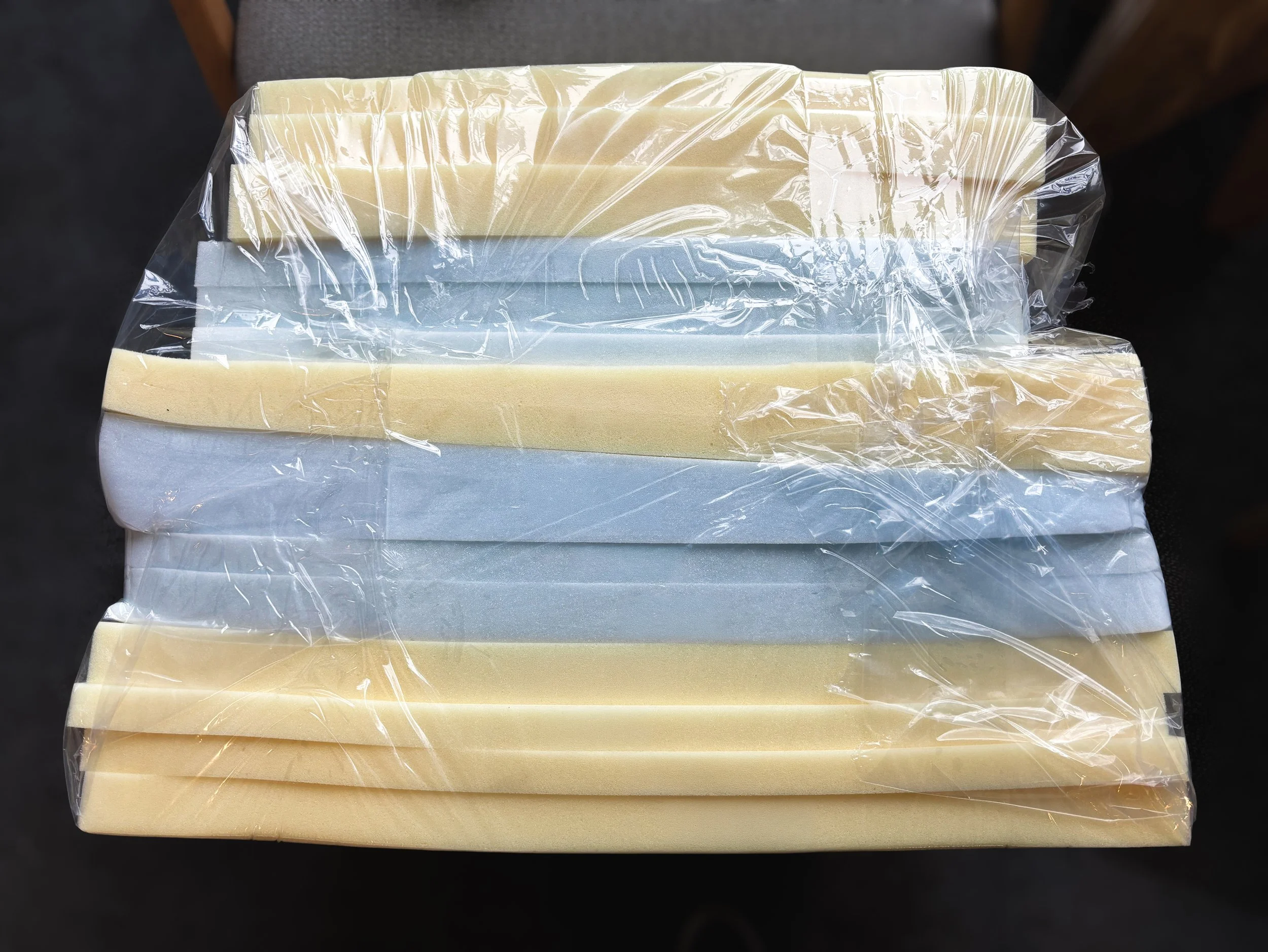
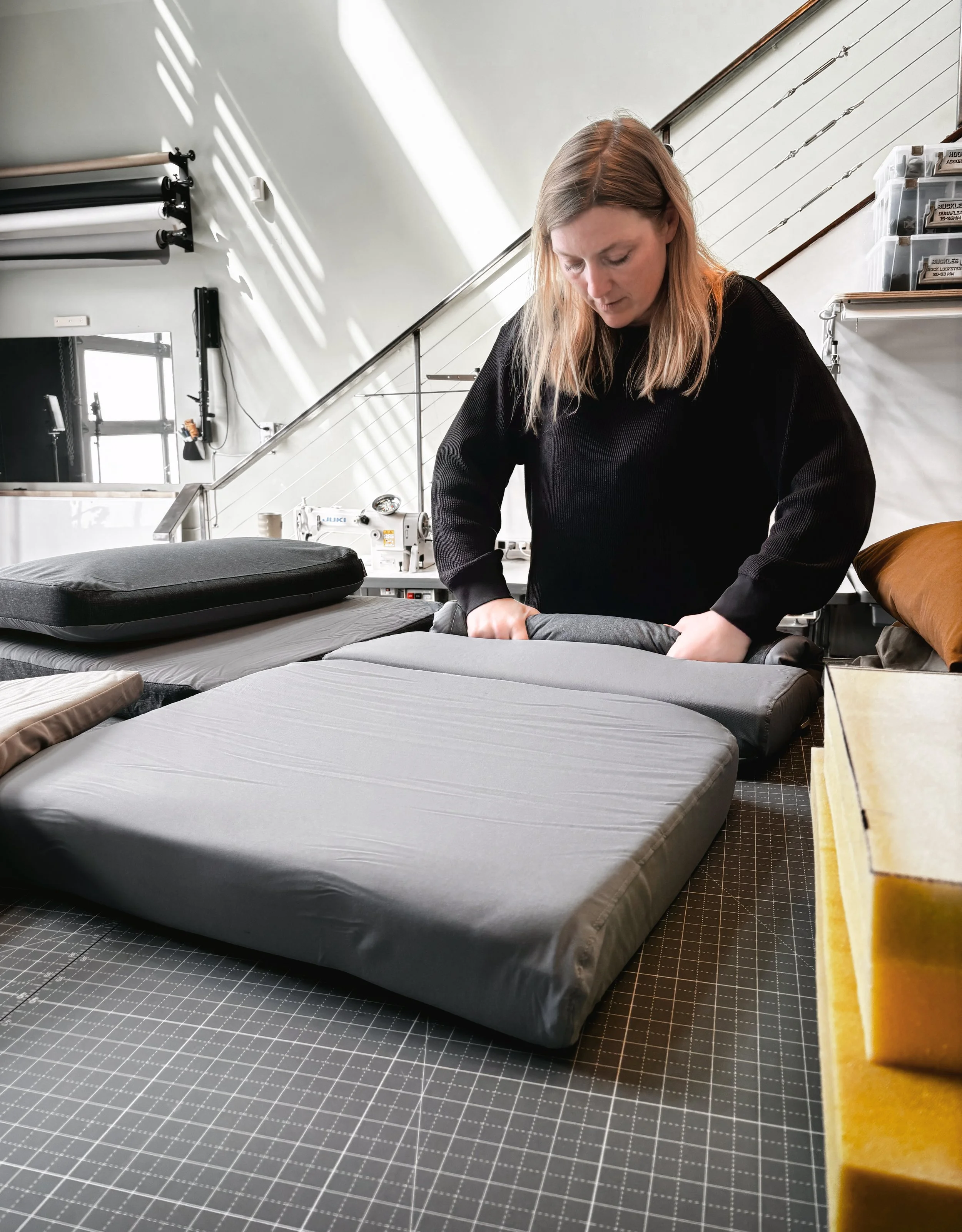
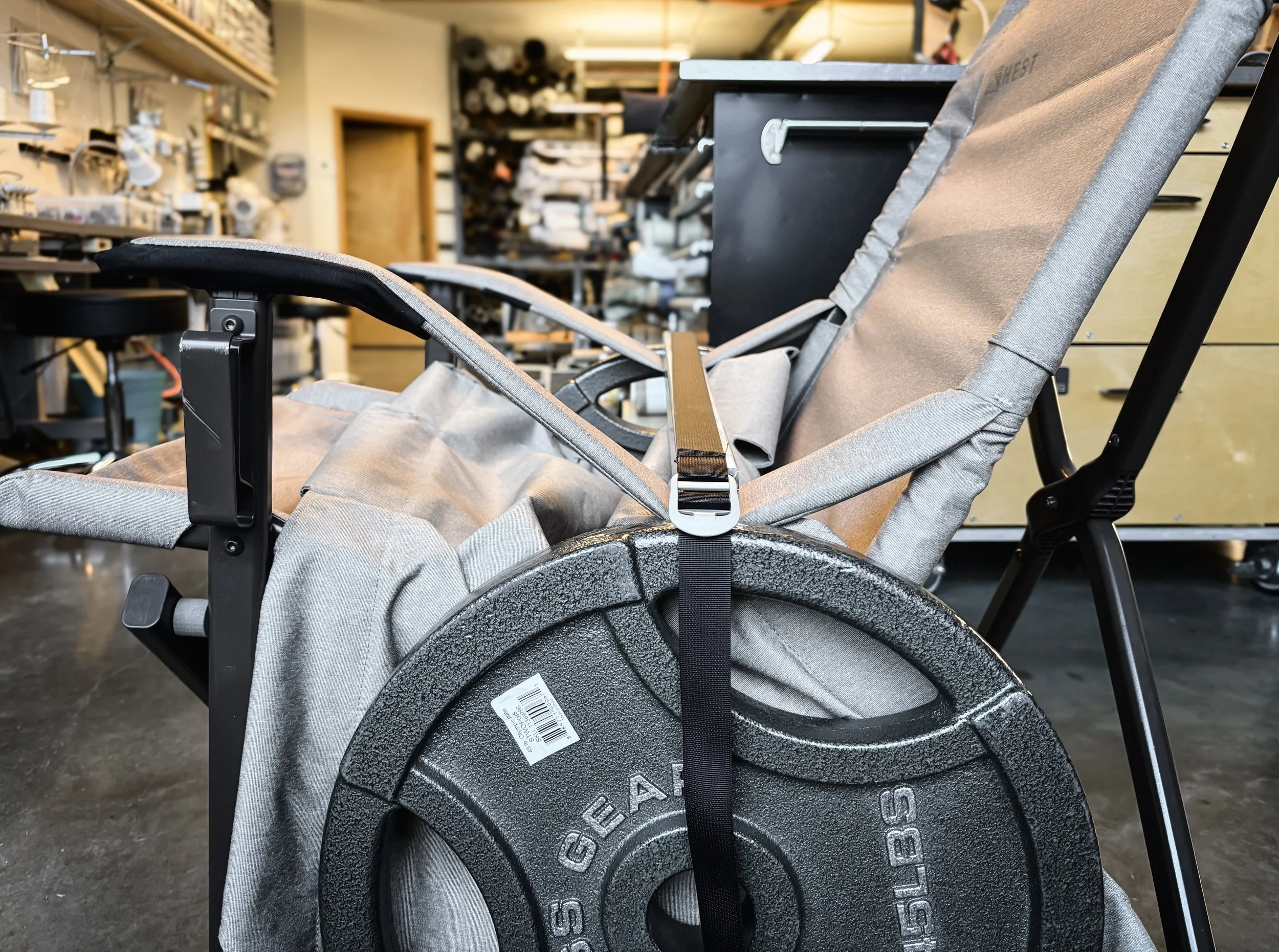
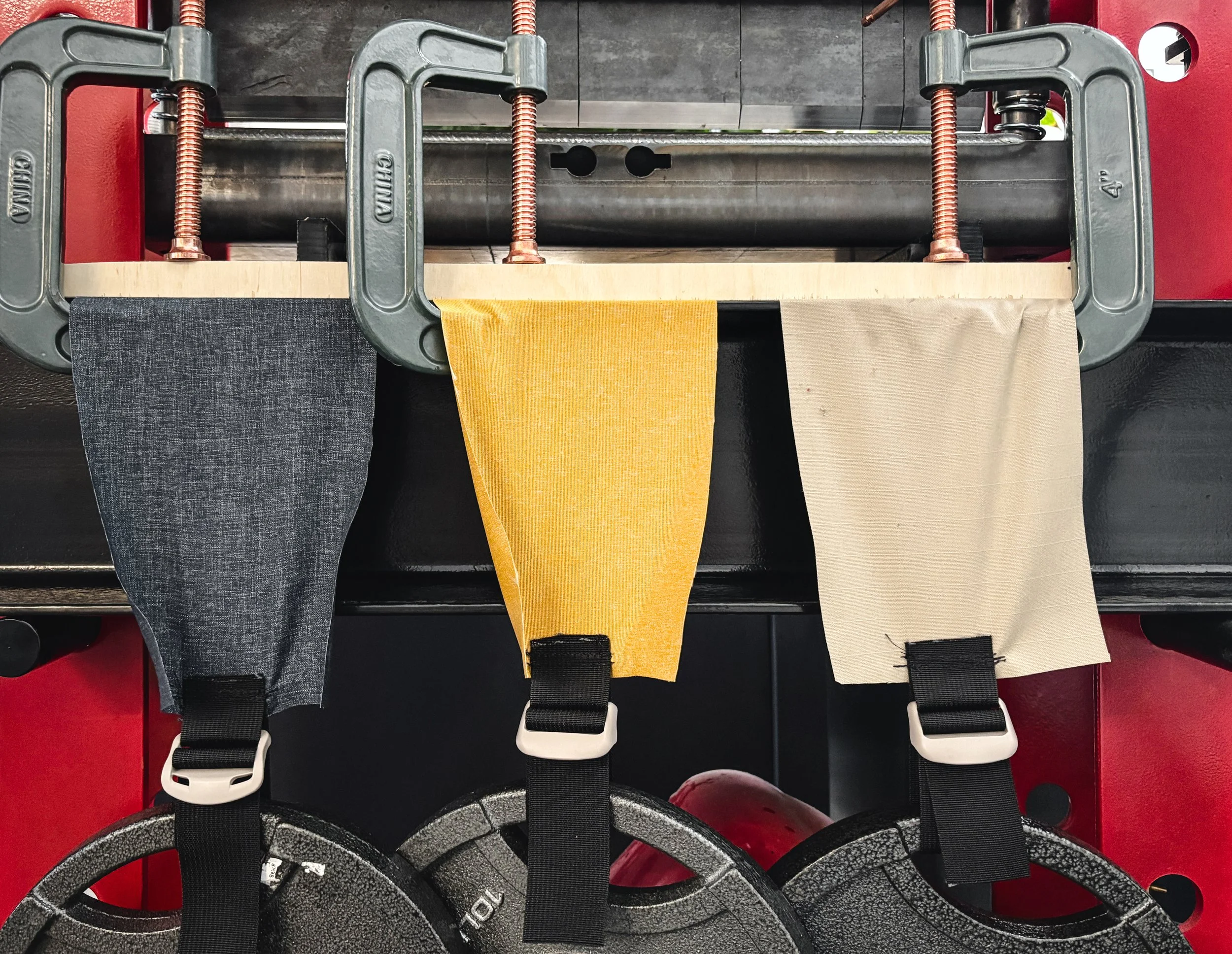
Throughout the design development, extensive prototyping and evaluation helped validate the countless small details that ultimately defined the user experience. From fabric behavior and foam performance to structural interfaces, packability, and long-term durability, this process of testing, learning, and refining allowed the final product to deliver on its promise. We were able to achieve a truly superior level of comfort while also feeling confident in our design choices moving into production. This significantly reduced the amount of sampling and factory-level iteration resulting in a more considered and sustainable approach to product development.
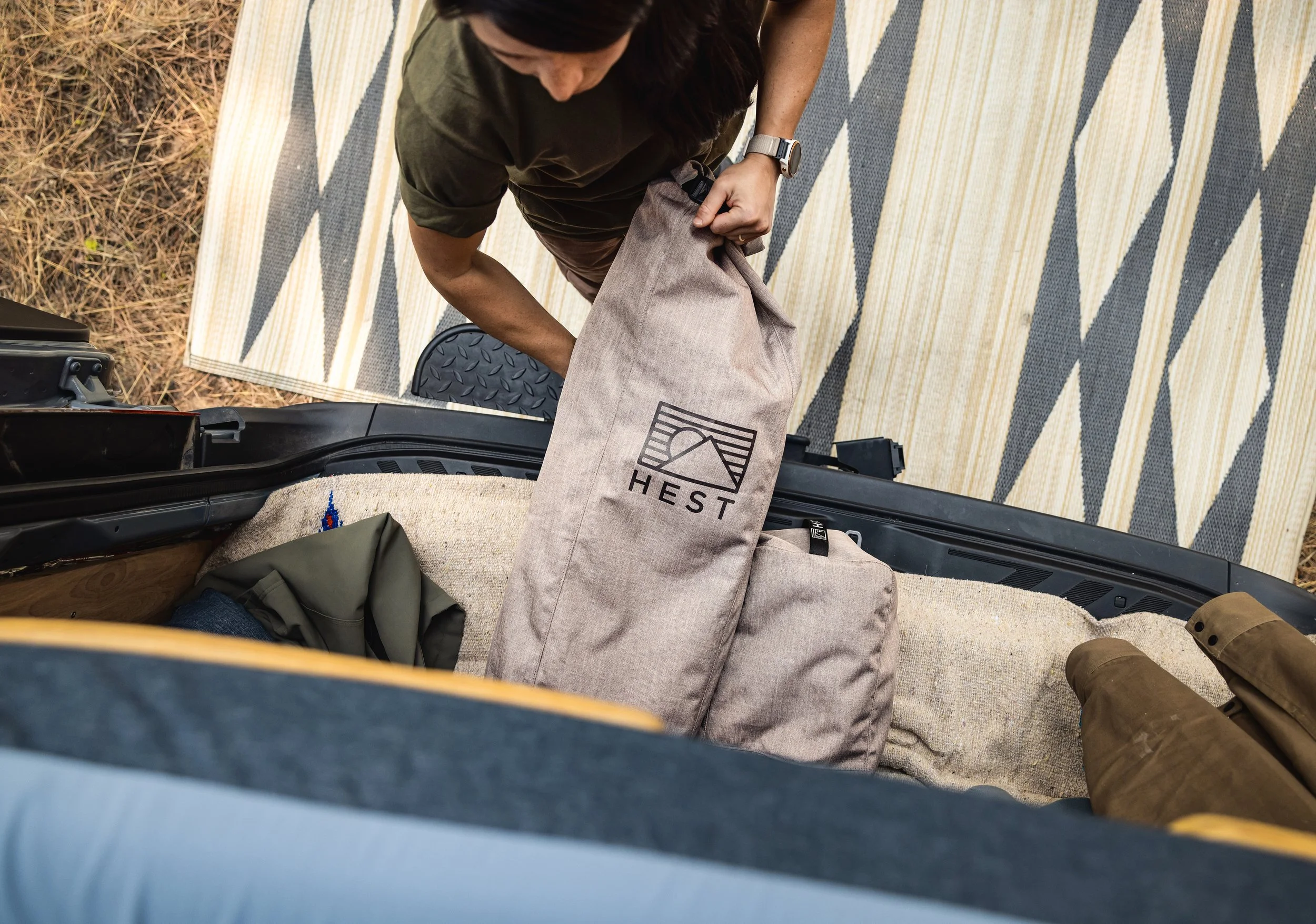
Made to roll and go.
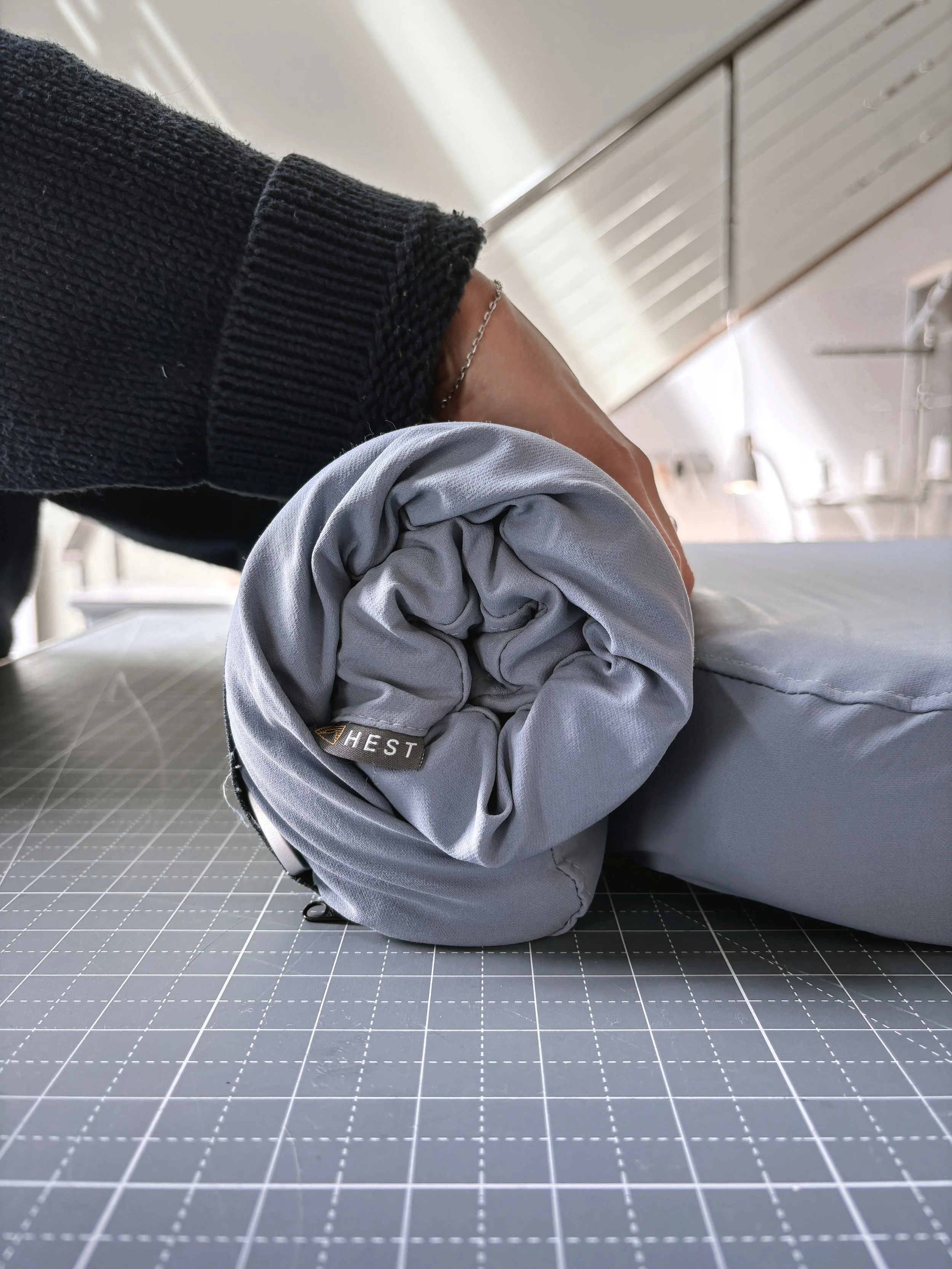
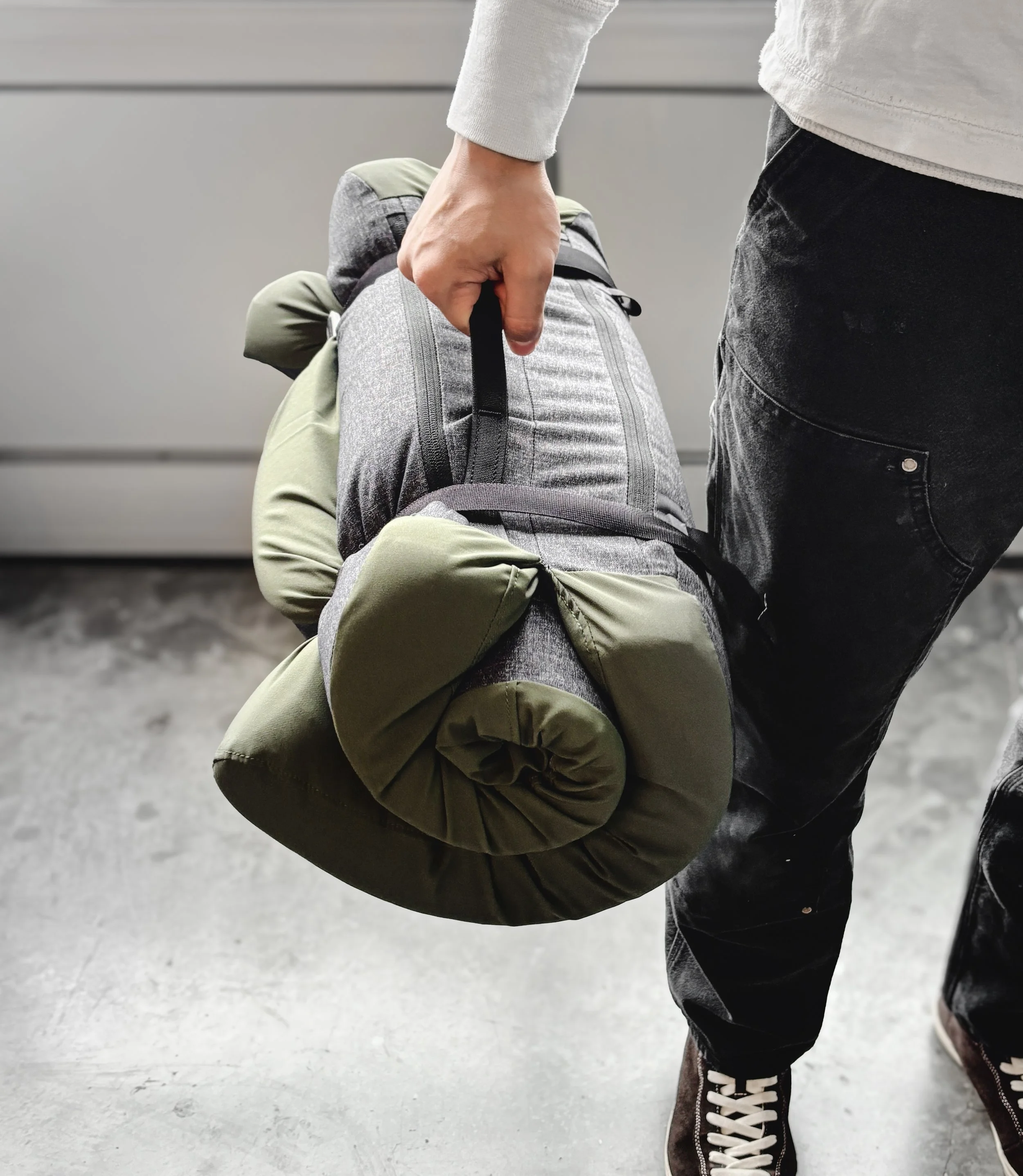
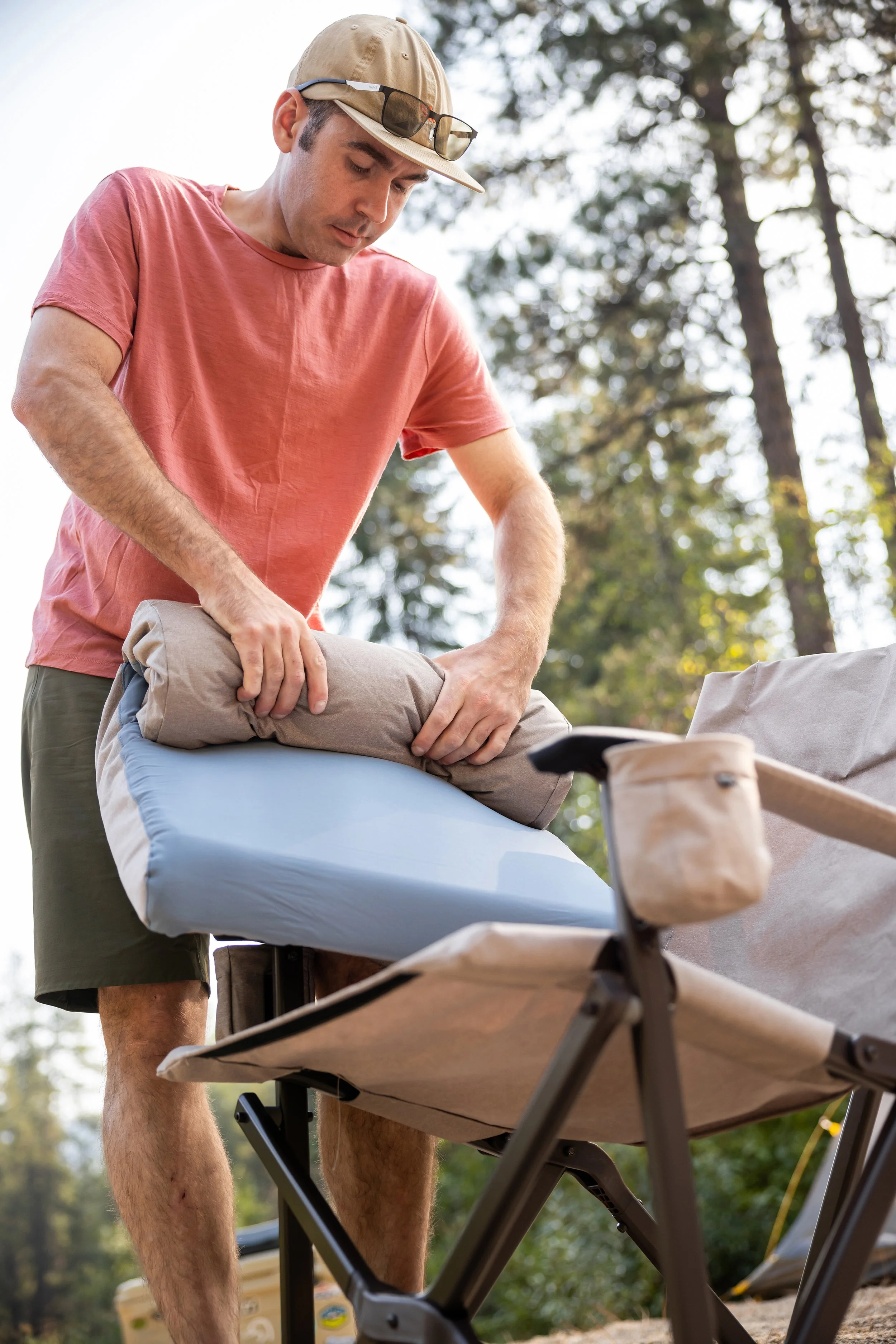
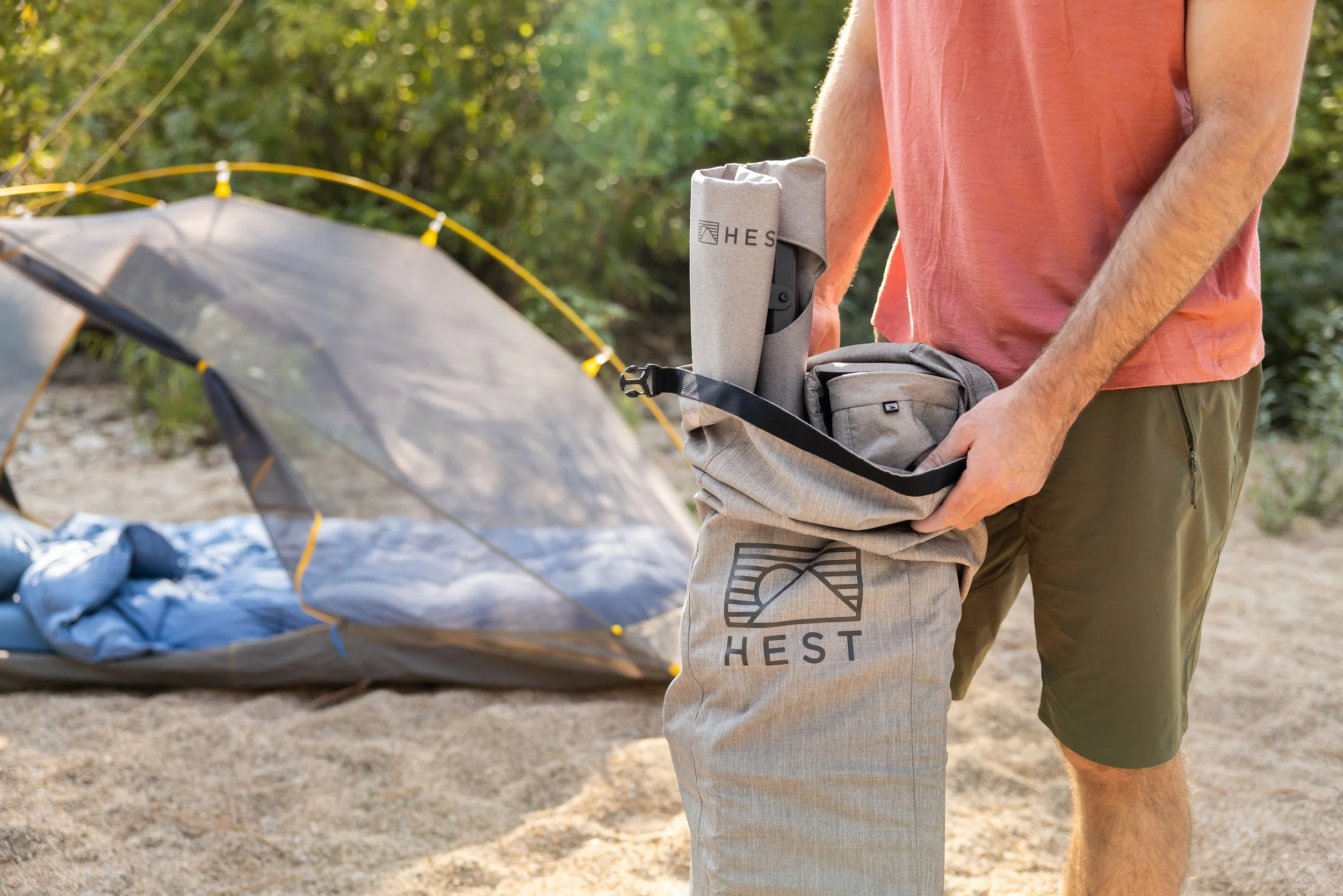
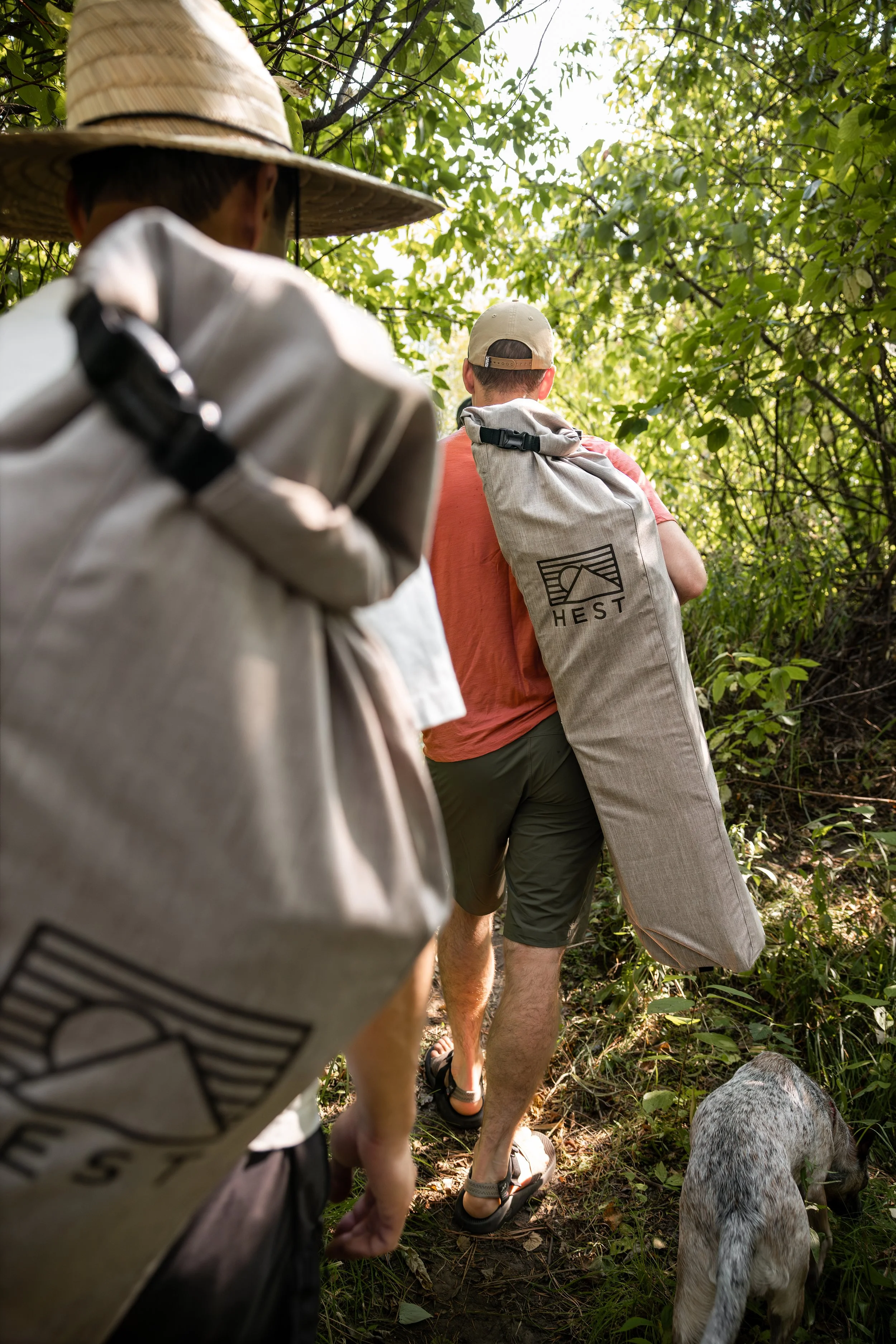
A major design challenge was packability. We knew we achieved the comfort, but we also needed to meet the expectations for how camp furniture packs into the car and transports to the campsite. If the system became too bulky we would not have a successful product. The frame of the chair went through many rounds of nuanced geometry tweaks to ensure we could get the smallest footprint possible. The size and shape of the cushion saw a similar level of iteration in foam shaping and fabric patterning. This attention to detail is what allowed the design to work. The chair and cushion neatly pack into a travel bag that provides protection, while also making it easy to carry to the campsite.
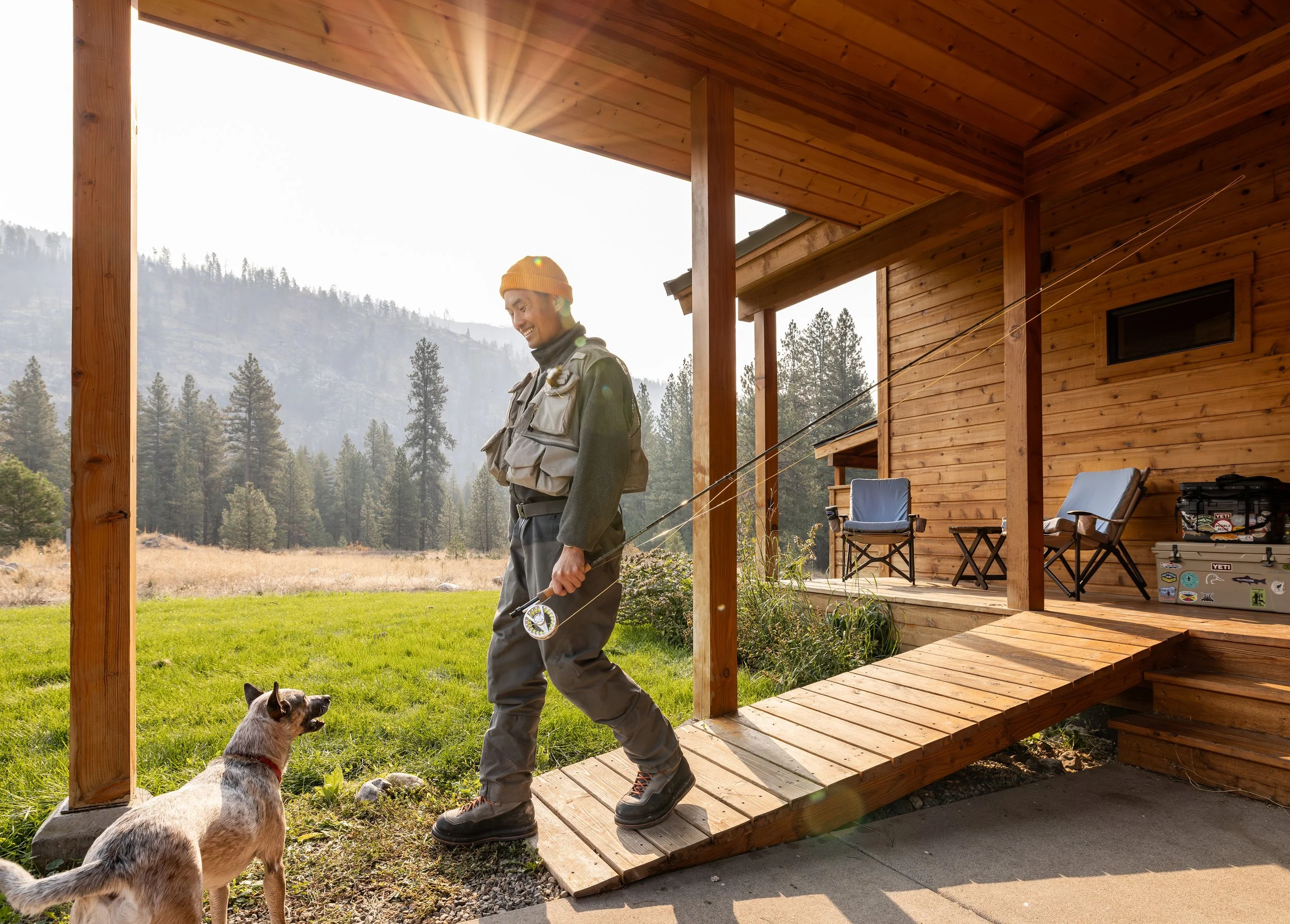
"We believe time outdoors should feel as restorative as it is inspiring."Aaron Ambuske - HEST Founder
At home on the road and the front porch.
While the camp chair was designed to elevate your comfort in the outdoors, we wanted to develop a solution that felt equally at home on the deck or front porch of the cabin. The design uses warmer tones and softer elements that feel more approachable and less like technical outdoor gear. We’ve heard it makes for a great seat at weekend soccer game as well.


HEST Sleep Systems