Design Specifications vs Design Speculations
September. 1. 2026
You’re in the final stretch dialing in the details for that new product you and your team can’t wait to see finally make it to market. All of the internal reviews and development meetings have transformed a seed of an idea into a real product. A product that has the potential to build a brand and drive business growth, but also provide meaningful value for all of the folks who will use it. Maybe your development timeline was only a handful of months, or maybe it took the better part of a year or two. That invested time and energy have a real cost. Now it’s time to translate that investment into something tangible and take that next big step - moving into production.
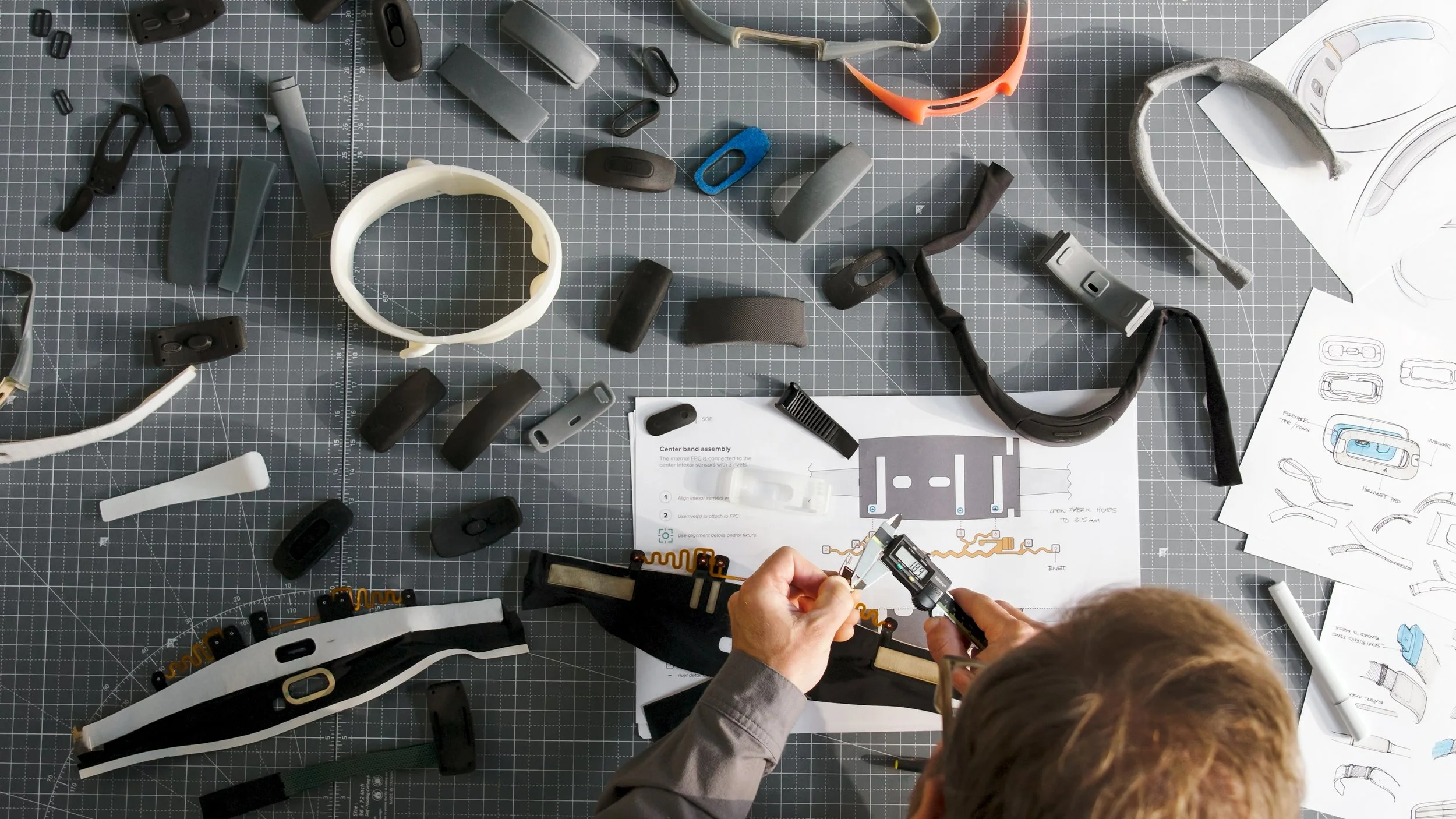
It’s not about how many pages you have, it’s about clarity of information.Every product headed for production eventually converges on a specification document. The design specs. It’s the cumulative blueprint of the creative design process. Whether the work began as sketches, CAD models, prototypes, or even market references, there comes a point when the design intent must be documented in order for a production team to build it. The challenge here is you are no longer sitting in the same room collaborating with your internal teammates. The people closest to the brand, the vision, and shared knowledge of a process. Each and every detail needs to be clearly communicated without the original design team being there to offer guidance or answer questions. Of course there are follow up meetings to discuss the details, but the initial spec review should leave production teams empowered, not confused. This handoff is a momentous milestone in the product development timeline.
In hard goods (think of things like smartphones, fitness trackers, home goods, etc.), spec packages often benefit from established engineering rigor. Critical dimensions, assembly tolerances, and material callouts are typically well captured through 3D modeling analysis and 2D drawing packages. It's a committing moment once a project is tooling up. Factories begin refining their production process, steel fixtures are machined, and every detail has to be carefully reviewed. Tweaking a part or fixing a mistake at this point can be incredibly costly. We fully appreciate the high level of scrutiny required in these types of projects.
In contrast, soft, sewn products (think of things like apparel, backpacks, gloves, etc.) are much more variable and lack a standard practice. Some specifications are exceptionally detailed, while others consist of only a handful of pages and a collection of assumptions. We've seen glove specs that were only three pages long. A few callouts on a front view, then a back view, and a simple bill of materials. The irony is that gloves are arguably among the most difficult apparel products to execute well. Small changes in panel geometry, seam construction, material selection, or fit can dramatically affect comfort and performance. The category itself is fairly nuanced, yet documentation can leave much of that nuance unwritten.
This is a clear example where the design documentation begins to drift away from design specification toward design speculation.
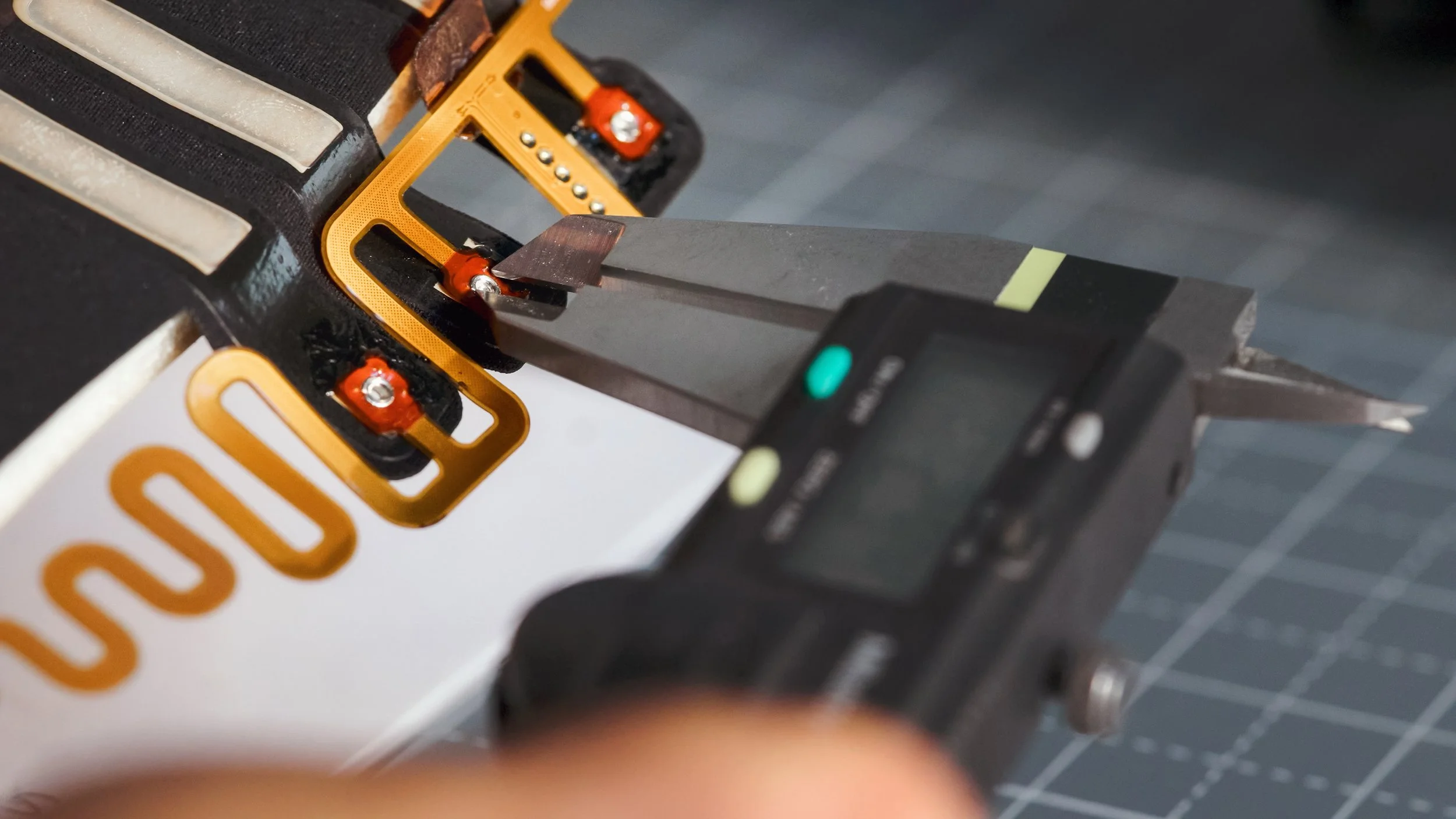
It’s not about how many pages you have, it’s about clarity of information. Sometimes a spec only needs a handful of pages, while other more complex projects can see the page count really start to stack up. The question to ask yourself is whether or not you have captured the relevant information to sufficiently outline your design along with all the key details. The specs should enable someone who is unfamiliar with the project to fully understand all aspects of the design and how it should be built. If critical details are missing, they don’t just disappear. Instead, they simply move downstream to a factory developer, pattern maker, or technician who must interpret the document and fill in the blanks.
This interpretation is made with the best intentions. Factory development teams are all trying to move a product forward and deliver a successful sample. But every unanswered question creates an opportunity for variation to the original design intent. Sometimes those differences are minor. Other times they can lead to unforeseen design revisions, timeline delays, or a product that slowly drifts away from the original vision. What was meant to be major milestone and marker of success, handing off an incomplete or ambiguous spec can leave some lasting effects on the development cycle.
When the details get lost, so to is the momentum towards final production. This is particularly true for products where the real value is in the subtle details. The fit and finish, interaction features, or technical construction choices that make a product distinctive are often the key elements that can be overlooked. When those decisions are not clearly communicated, factory teams naturally fall back on familiar solutions and industry conventions. This may result in a reasonable product, but not necessarily the one you set out to create.
Good specification packages help preserve design intent. They create alignment between designers, developers, pattern makers, engineers, and factory teams. They often begin with a clear overview of the product and progressively increase in detail with construction views, material callouts, pattern blocks, fit requirements, and a bill of materials. The objective is shared understanding.
That thinking extends beyond the drawings and into the larger communication system. Clear revision histories make it easier for teams to understand what changed and why. If created during the design process, pattern blocks should accompany the specs. Callouts benefit from being concise and organized. Thoughtful white space gives information room to breathe. In many cases, documentation is being interpreted across multiple languages, disciplines, and manufacturing processes. Clarity is one of the most valuable tools available.
The visual quality of a specification package also matters. Technical documentation can easily become dense and difficult to navigate. Thoughtful use of color, shading, rendering, and visual hierarchy can improve comprehension and help communicate form, assembly methods, and the overall intent. This isn’t the place to get carried away with artistic expression. The ultimate goal is to make important information easy to find and easy to understand.
Like every aspect of product development, specifications continue to evolve. Digital patterning, collaborative cloud platforms, and integrated workflows are creating new ways to connect design teams directly to production. While still deeply limited in current adoption, it’s encouraging to see the tools continue to improve.
Every detail of a product will eventually be decided by someone. A strong specification package simply indicates that each design decision was made deliberately by the people closest to the vision. The spec ensures each of those details can be clearly understood by everyone helping to bring the idea to life. The details matter. Both in translating the design into a final, finished piece, but also in how you choose to communicate with production teams. Our preferred approach is to avoid the speculation and dial in the specifications.


Explore More Insights