Speed of Ideas
March. 24. 2026
For creative professionals, our value relies on consistent delivery and quality of ideas. Like many of our peers, we embrace the challenge of doing this day-in, day-out, and for every project. Over the years, we have developed a few core principles that help us fuel consistent concept development and high-quality output.
We love that our projects span various product categories in many different mediums. This is incredibly fruitful for our team. With multiple irons in the fire, we are always finding inspiration across industries.
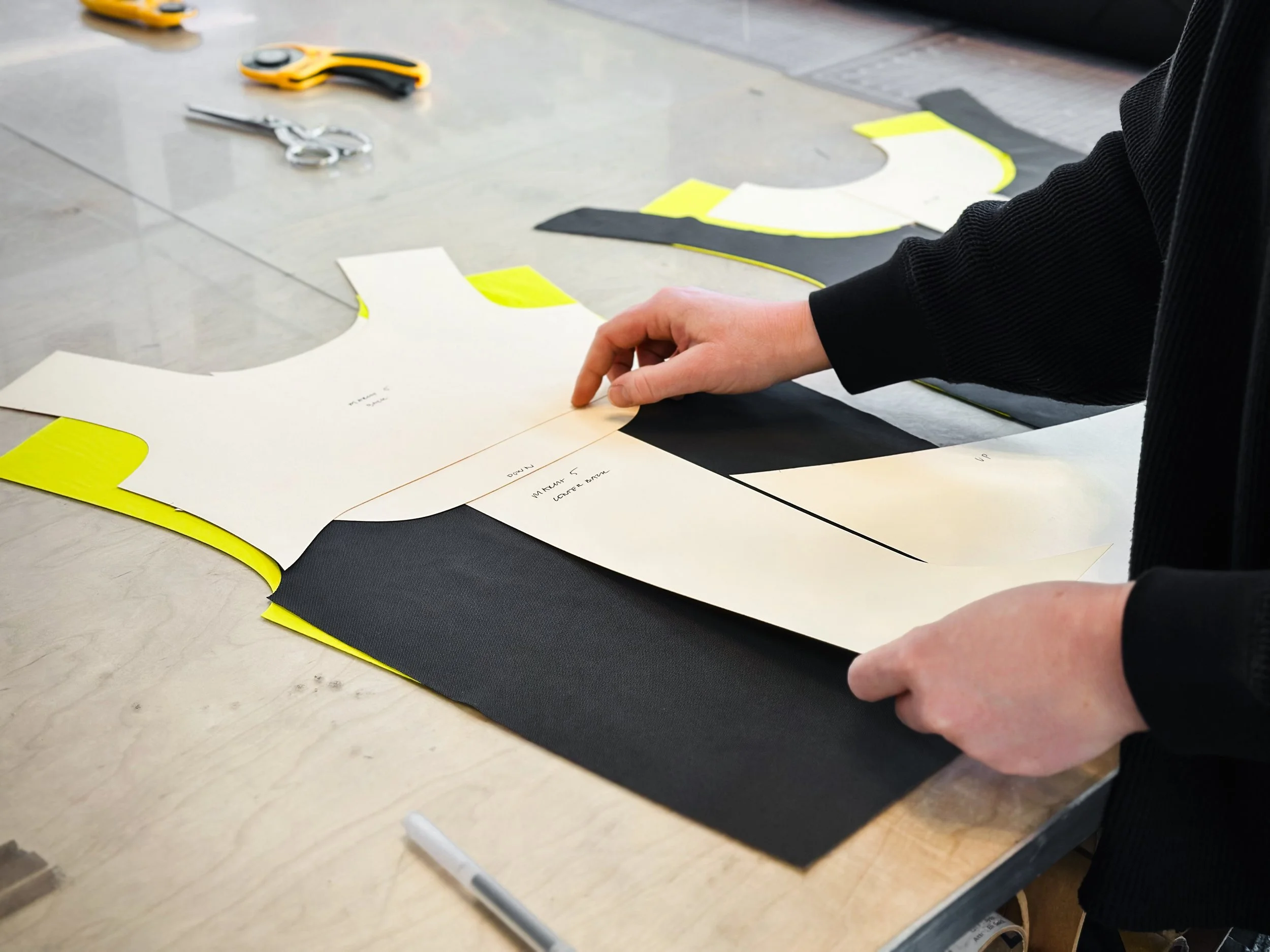
Speed isn’t about rushing. It’s all about reducing friction.More irons = hotter fire.
This approach allows us to naturally identify new design opportunities and applications for materials and processes. Design ideas that may not have been implemented on one project have the opportunity to resurface and spark a new application within a completely different industry or product category. While deep diving in one field of expertise has its benefits, we see tremendous value in being great cross pollinators.
Prototyping wins at every stage
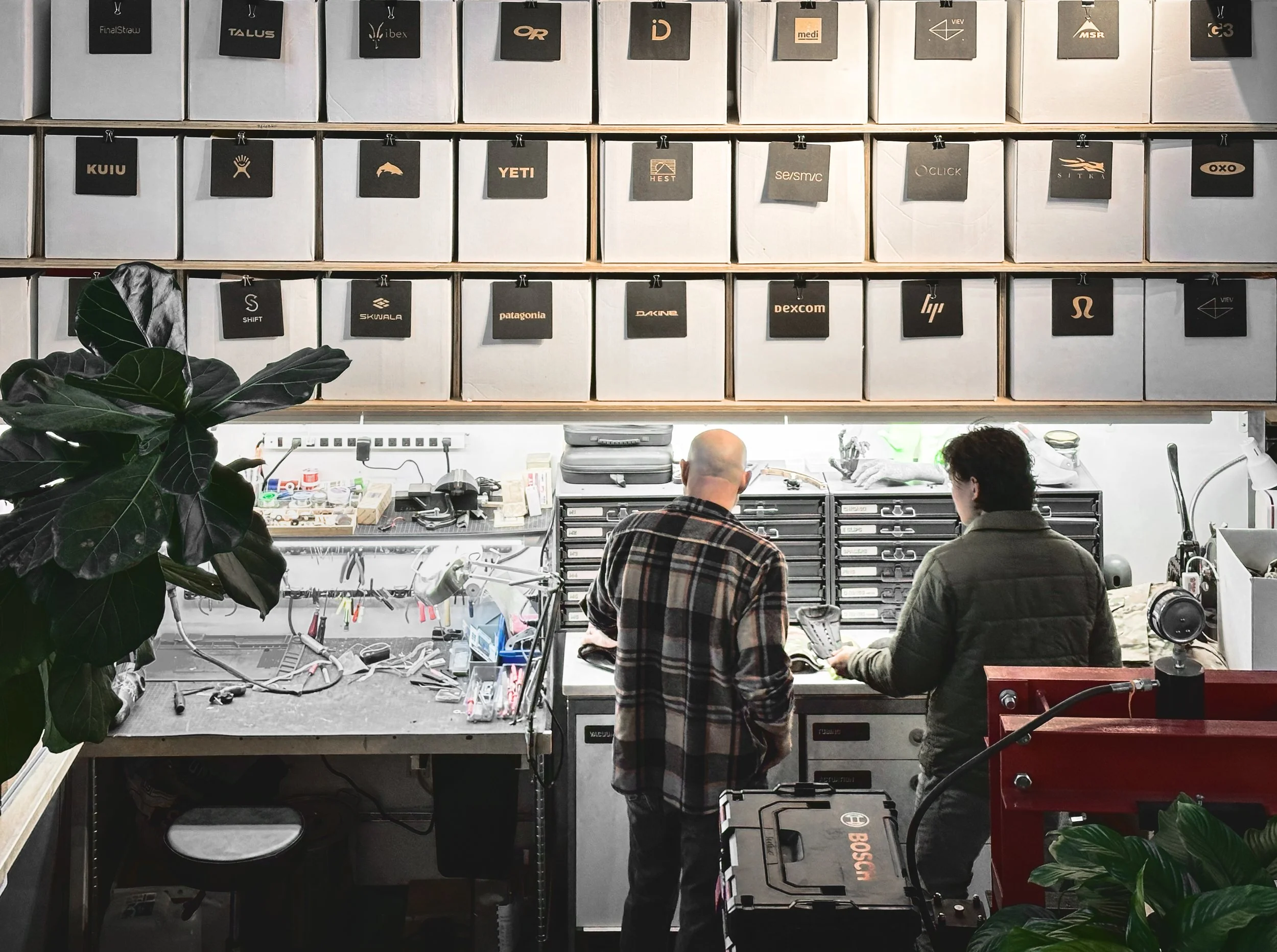
“Fastest path from a thought to a thing” is a core priority. We want our ideas to take shape and be tangible as early as possible. This helps us develop quick insights early in the process, and identify the more promising pathways. We prioritize building any meaningful idea at all levels. Concept builds can be quick and dirty, polished finalized deliverables, or somewhere in between. The level of fidelity isn’t always the focus. Often times it’s the quick exploration that can deliver some of the most meaningful discoveries.
While this approach may feel like a strain to the budget early in a project, we find it ultimately results in finding more novel and thoughtful solutions. Developing a thought into a physical thing allows for more informed conversation. New details emerge at every stage. Design refinement is not just seen, it can also be felt.
Our studio is a toolbox
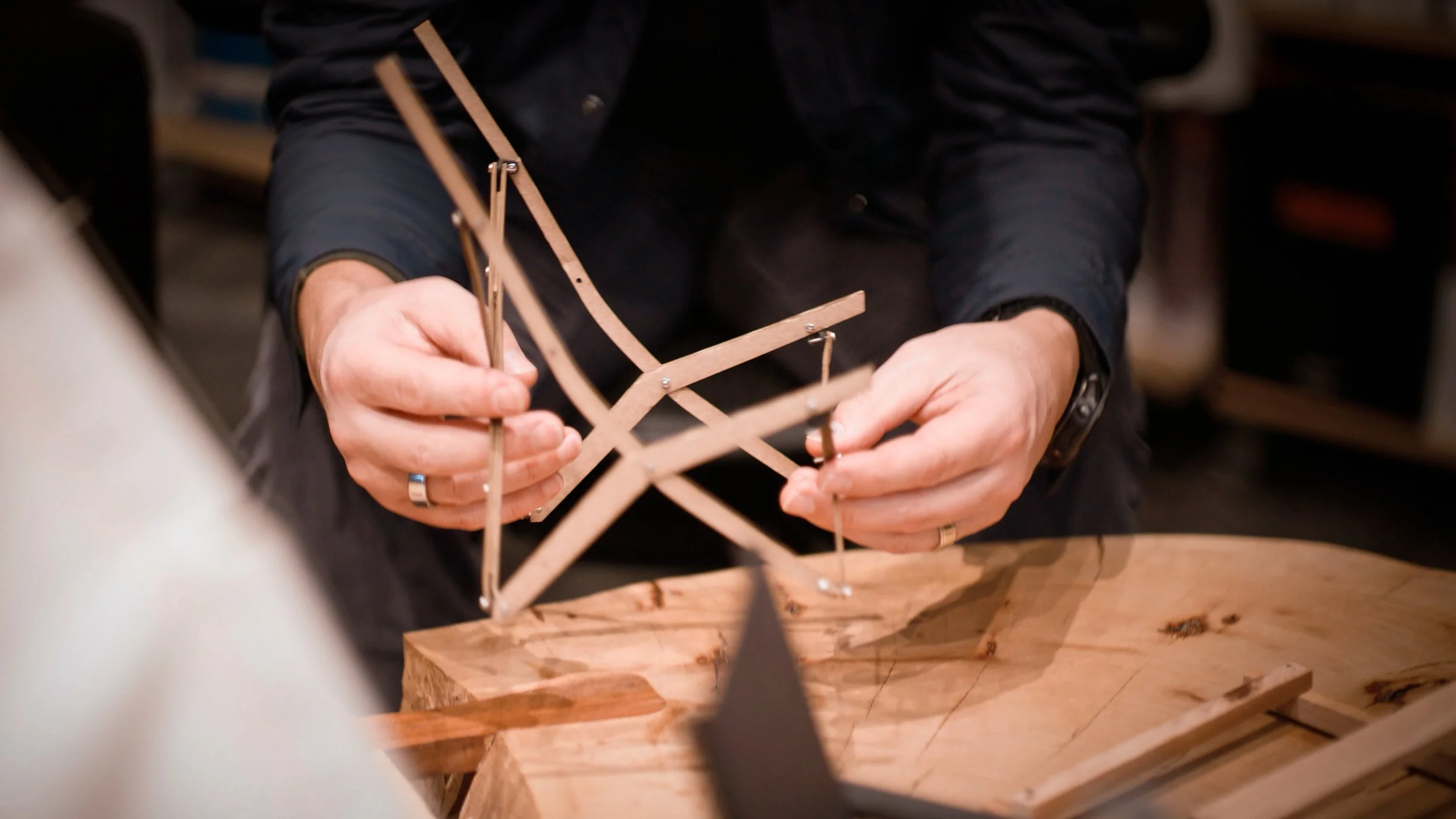
Our studio layout is intentionally designed to facilitate building and prototyping. With a vast selection of materials and equipment on hand, we can hit the ground running at every project stage. Over two thirds of our studio is dedicated to building, along with an always-growing reference library of materials, fabrics, trims and new technologies. Our open space facilitates the sharing of ideas and skillsets while encouraging impromptu conversations over formal meetings. This unique setup fosters rapid feedback, the pressure testing of ideas, and micro-brainstorming toward next steps.
An open studio space isn’t always optimal for every team, however we feel creativity flourishes out of thoughtful teammate conversation rather than isolation. The two are not mutually exclusive. We are often surprised how quiet our studio can be as teammates focus on the next piece of a puzzle.
Our studio setup didn’t arrive overnight. It has taken us years to build and refine our space to optimize our work. Like our projects, our studio is an evolving prototype. We are constantly looking for new ways to build our ideas and deliver quality results.
An overview of one side of the studio.
Constraints create momentum
Constraints are usually framed as limitations. But we think of them as thought-fuel. Design is about problem solving. Whether it’s cost targets, manufacturing capabilities, executing an aggressive timeline, or technical boundaries, having clear parameters sharpen decision-making and accelerate progress. Rather than waiting for perfect conditions, we are often seeking to clarify the edges of a project to know how to optimize the design details within them.
This does two things. First, it forces prioritization. Not every idea deserves extra dwell time. Constraints help surface how to think about what matters. Second, it supports specificity. It’s hard to know if vague ideas are part of a solution, where clarified constraints provide a solid foundation and rubric for decision making.
There is a time when more abstract design thinking is helpful, but we ultimately get to how something will be made, used, and scaled. When constraints become clear or can be defined early in a project, the result is a work process that moves faster toward our ultimate goal.
Compounding speed
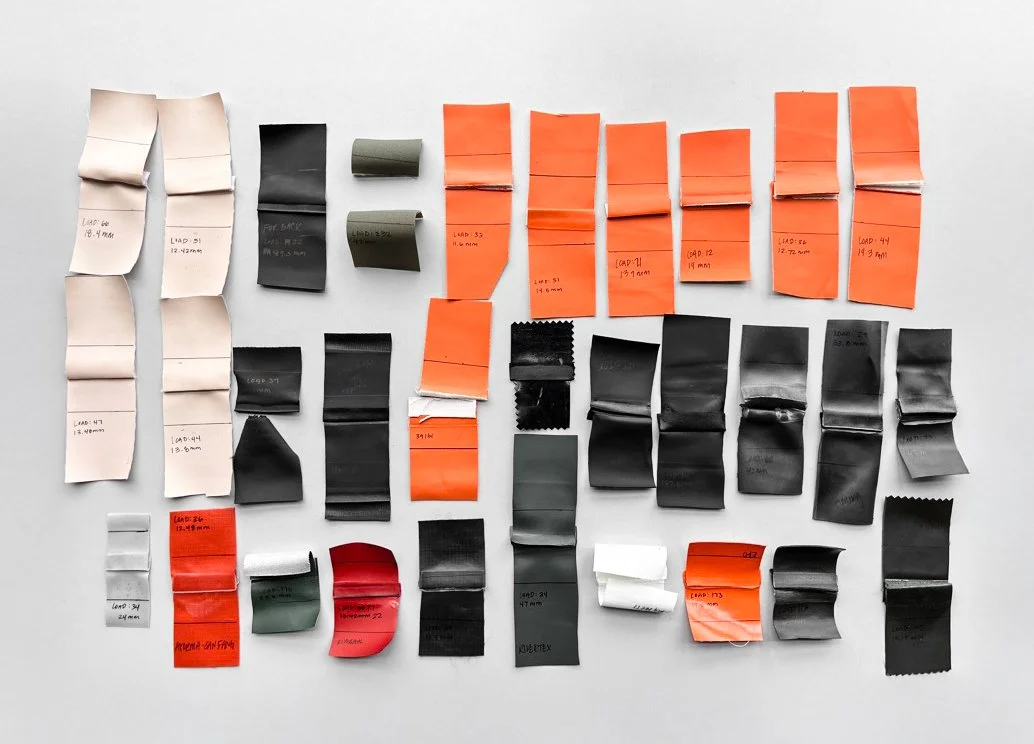
Looking at these handful of practices, for us speed isn’t about rushing. It’s about reducing friction. More inputs create better ideas. Building early creates better decisions. The right environment elevates collaboration. Constraints create better focus. These simple principles compound. They allow us to move quickly and thoughtfully in the design process. This results in consistently turning ideas into tangible, testable and manufacturable outcomes the core user will love.


Explore More Insights